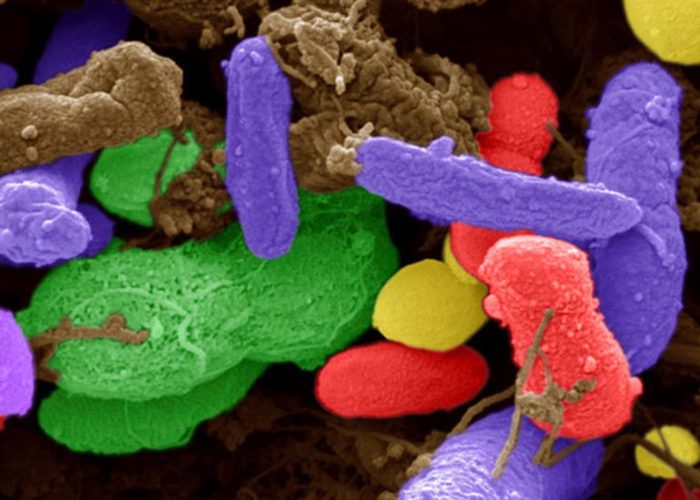
Gut bacteria influence the progression of multiple myeloma

Gut bacteria influence the progression of multiple myeloma

By interacting with the immune system, some types of gut bacteria can influence the progression of multiple myeloma, a tumor that affects the bone marrow causing pain, anemia and bone fragility.

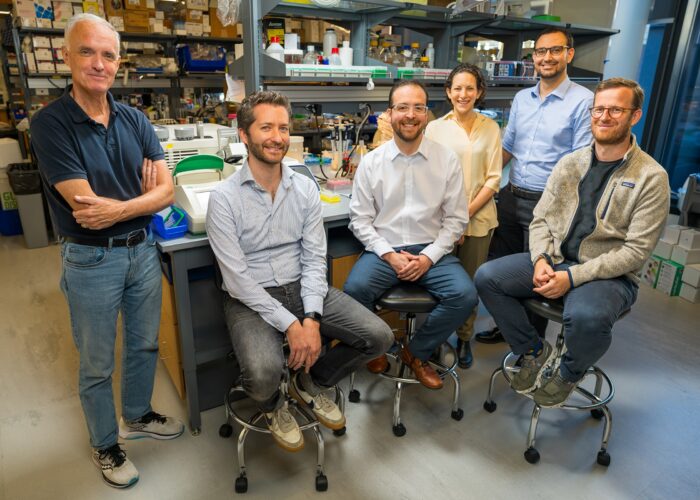
The discovery, limited so far to the animal model of the disease, is published today in Nature Communications by the team of Matteo Bellone, head of Cellular immunology Unit at IRCCS Ospedale San Raffaele. The study, supported by AIRC – The Italian Association for Cancer Research – is among the first to trace a direct link between intestinal microbiota and a tumor located in a different organ, thus demonstrating the capability of these bacteria to interact with the whole organism. Moreover, researchers identified a biological marker that could predict the aggressiveness of multiple myeloma in asymptomatic patients and suggest the efficacy of some anti-inflammatory drugs, already approved for other conditions, in slowing down the disease progression.

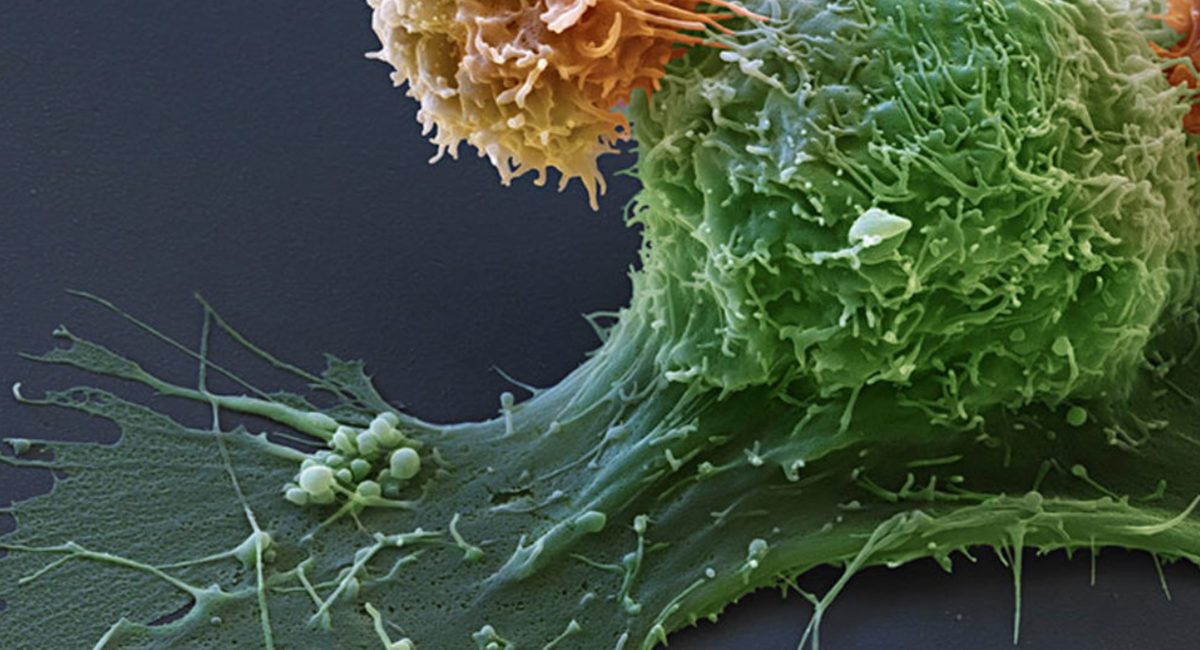
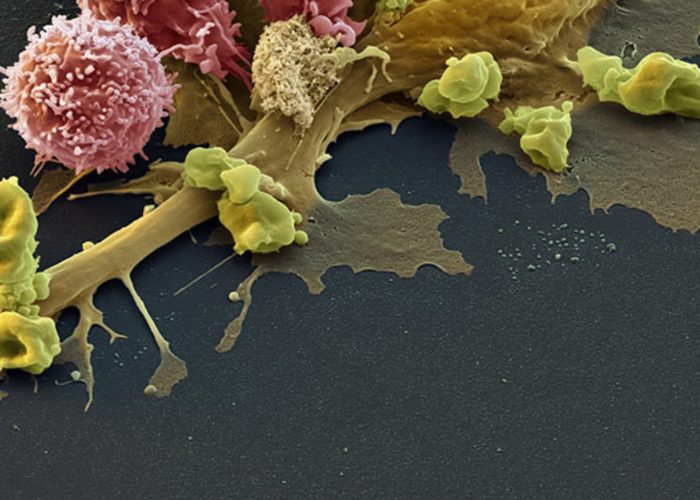
Multiple myeloma is a severe tumor affecting plasma cells, the immune cells responsible for antibody production. In patients with multiple myeloma, these cells accumulate inside the bone marrow, interfering with its normal blood regeneration activity and weakening the bones. The disease is preceded by a painless and asymptomatic phase, in which some plasma cells have already acquired tumor characteristics and release a specific protein that can be detected in both the blood and the urine of patients, even in the absence of other pathological manifestations.

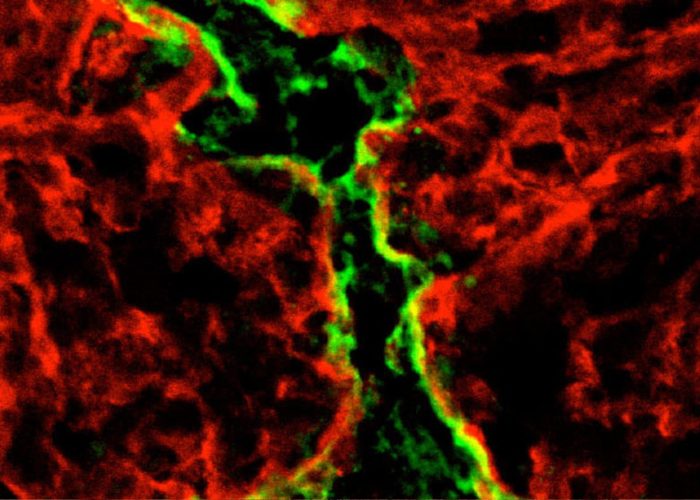
To understand the process underlying the disease progression from its asymptomatic phase to the symptomatic one, researchers focused on the animal model of the disease and on the role played by commensal bacteria. They discovered that a specific type of bacteria, also present in humans and called Prevotella heparinolytica, promotes the multiplication of inflammatory lymphocytes Th17 and that these lymphocytes are directly involved in tumor progression inside the bone marrow.

According to the study, Th17 cells migrate from the gut to the bone marrow, where they foster plasma cells proliferation, facilitating the transition from the asymptomatic phase of multiple myeloma to the actual disease through the release of a cytokine – an inflammatory molecule – called IL-17. «Given the key role IL-17 plays in multiple myeloma progression, this molecule could become a predictive tool: the amount of IL-17 in the bone marrow of asymptomatic patients could be the first biomarker able to identify patients at high risk of developing multiple myeloma», explains Arianna Brevi, first author of the research together with Arianna Calcinotto.

To test their hypothesis on the role of Th17 lymphocytes and IL-17 cytokine, researchers performed two experiments: at first, they blocked IL-17 and other inflammatory molecules

involved in tumor progression using anti-inflammatory drugs already approved for other conditions; secondly, they modified mice commensal microbiota, through the administration of antibiotics and the transplantation of bacteria species of known anti-inflammatory activity. In both cases, they managed to slow down the onset of multiple myeloma.

“The evidence collected suggests a way to identify patients at greater risk of developing multiple myeloma and to act in advance, thus containing the disease in its asymptomatic stage or, at least, slowing down its more severe manifestation”, says Matteo Bellone. “Although the experimental results obtained so far have to be further confirmed in clinical settings, they provide new hopes for patients and clinicians.”

Story Source: http://research.hsr.it/en/news/gut-bacteria-influence-the-progression-of-multiple-myeloma.html

More information: Microbiota-driven interleukin-17-prodcuing cells and eosinophils synergize to accelerate multiple myeloma progression, Nature Communications doi.org/10.1038/s41467-018-07305-8


Continue Reading

Related Articles

Synthetic microbiome? Genetic engineering allows different species of bacteria to communicate

Synthetic microbiome? Genetic engineering allows different species of bacteria to communicate

What if the bacteria that live in your gut could monitor your health, report disease, and produce beneficial molecules? Researchers have gotten one step closer to creating such a ‘synthetic microbiome’ by engineering different species of bacteria so they can talk to each other. Given that there are over 1,000 different strains of intestinal interlopers in the human gut, such coordination is crucial for the development of systems that can sense and improve human digestive health.

More than 1,000 species of bacteria have been identified in the human gut, and understanding this incredibly diverse “microbiome” that can greatly impact health and disease is a hot topic in scientific research. Because bacteria are routinely genetically engineered in science labs, there is great excitement about the possibility of tweaking the genes of our intestinal interlopers so that they can do more than just help digest our food (e.g., record information about the state of the gut in real-time, report the presence of disease, etc.). However, little is known about how all those different strains communicate with each other, and whether it is even possible to create the kinds of signaling pathways that would allow information to be passed between them.

Now, researchers from the Wyss Institute at Harvard University, Harvard Medical School (HMS), and Brigham and Women’s Hospital have successfully engineered a genetic signal-transmission system in which a molecular signal sent by Salmonella Typhimurium bacteria in response to an environmental cue can be received and recorded by E. coli in the gut of a mouse, bringing scientists a step closer to developing a “synthetic microbiome” composed of bacteria that are programmed to perform specific functions. The study is reported in ACS Synthetic Biology.

“In order to improve human health through engineered gut bacteria, we need to start figuring out how to make the bacteria communicate,” said Suhyun Kim, a graduate student in the lab of Pamela Silver at the Wyss Institute and HMS, who is the first author of the paper. “We want to make sure that, as engineered probiotics develop, we have a means to coordinate and control them in harmony.”

The team harnessed an ability that naturally occurs in some strains of bacteria called “quorum sensing,” in which the bacteria send and receive signal molecules that indicate the overall density of the bacterial colony and regulate the expression of many genes involved in group activities. A particular type of quorum sensing known as acyl-homoserine lactone (acyl-HSL) sensing has not yet been observed in the mammalian gut, so the team decided to see if they could repurpose its signaling system to create a bacterial information transfer system using genetic engineering.

The researchers introduced two new genetic circuits into different colonies of a strain of E. coli bacteria: a “signaler” circuit, and a “responder” circuit. The signaler circuit contains a single copy of a gene called luxI that is turned on by the molecule anhydrotetracycline (ATC) and produces a quorum-sensing signaling molecule. The responder circuit is structured such that when the signaling molecule binds to it, a gene called cro is activated to produce the protein Cro, which then turns on a “memory element” within the responder circuit. The memory element expresses two additional genes: LacZ and another copy of cro. The expression of LacZ causes the bacterium to turn blue if plated on a special agar, thus producing visual confirmation that the signal molecule has been received. The extra copy of cro forms a positive feedback loop that keeps the memory element on, ensuring that the bacterium continues to express LacZ over an extended period of time.

The researchers confirmed that this system works in vitro in both E. coli and S. Typhimurium bacteria, observing that the responder bacteria turned blue when ATC was added to the signaler bacteria. To see if it would work in vivo, they administered both signaler and responder E. coli bacteria to mice, and then gave the mice ATC in their drinking water for two days. When fecal samples from the mice were analyzed, over half of the mice displayed clear signs of 3OC6HSL signal transmission that persisted after two days on ATC.

“It was exciting and promising that our system, with single copy-based circuits, can create functional communication in the mouse gut,” explained Kim. “Traditional genetic engineering introduces multiple copies of a gene of interest into the bacterial genome via plasmids, which places a high metabolic burden on the engineered bacteria and causes them to be easily outcompeted by other bacteria in the host.”

Finally, the team repeated the in vivo experiment, but gave the mice signaler S. Typhimurium bacteria and E. coli responder bacteria, to see if the signal could be transmitted across different species of bacteria within the mouse’s gut. All mice displayed signs of signal transmission, confirming that the engineered circuits allowed communication between different species of bacteria in the complex environment of the mammalian gut.

The researchers hope to continue this line of inquiry by engineering more species of bacteria so that they can communicate, and by searching for and developing other signaling molecules that can be used to transmit information between them.

“Ultimately, we aim to create a synthetic microbiome with completely or mostly engineered bacteria species in our gut, each of which has a specialized function (e.g., detecting and curing disease, creating beneficial molecules, improving digestion, etc.) but also communicates with the others to ensure that they are all balanced for optimal human health,” said corresponding author Silver, Ph.D., a Founding Core Faculty member of the Wyss Institute who is also the Elliot T. and Onie H. Adams Professor of Biochemistry and Systems Biology at HMS.

“The microbiome is the next frontier in medicine as well as wellness. Devising new technologies to engineer intestinal microbes for the better while appreciating that they function as part of a complex community, as was done here, represents a major step forward in this direction,” said Wyss Founding Director Donald Ingber, M.D., Ph.D., who is also the Judah Folkman Professor of Vascular Biology at HMS and the Vascular Biology Program at Boston Children’s Hospital, as well as Professor of Bioengineering at SEAS.

Story Source: ScienceDaily

Journal Reference:

  1. Suhyun Kim, S. Jordan Kerns, Marika Ziesack, Lynn Bry, Georg K. Gerber, Jeffrey C. Way, Pamela A. Silver. Quorum Sensing Can Be Repurposed To Promote Information Transfer between Bacteria in the Mammalian GutACS Synthetic Biology, 2018; DOI: 10.1021/acssynbio.8b00271

Continue Reading

Related Articles

Fiber-fermenting bacteria improve health of type 2 diabetes patients

Fiber-fermenting bacteria improve health of type 2 diabetes patients

The fight against type 2 diabetes may soon improve thanks to a pioneering high-fiber diet study led by a Rutgers University-New Brunswick professor.

Promotion of a select group of gut bacteria by a diet high in diverse fibers led to better blood glucose control, greater weight loss and better lipid levels in people with type 2 diabetes, according to research published today in Science.

The study, underway for six years, provides evidence that eating more of the right dietary fibers may rebalance the gut microbiota, or the ecosystem of bacteria in the gastrointestinal tract that help digest food and are important for overall human health.

“Our study lays the foundation and opens the possibility that fibers targeting this group of gut bacteria could eventually become a major part of your diet and your treatment,” said Liping Zhao, the study’s lead author and a professor in the Department of Biochemistry and Microbiology, School of Environmental and Biological Sciences at Rutgers University-New Brunswick.

Type 2 diabetes, one of the most common debilitating diseases, develops when the pancreas makes too little insulin — a hormone that helps glucose enter cells for use as energy — or the body doesn’t use insulin well.

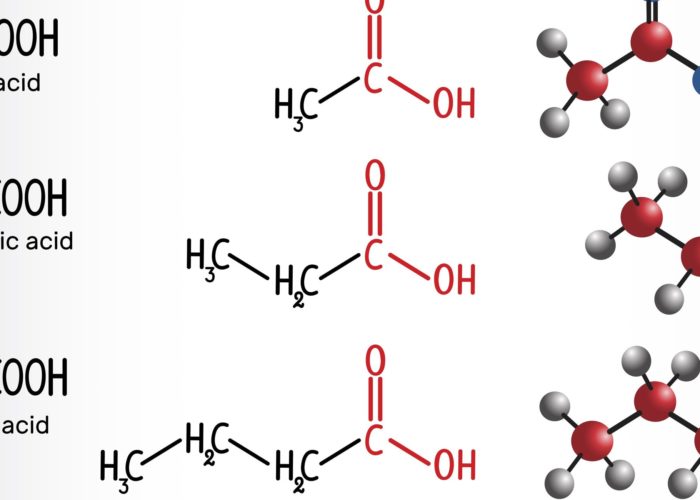
In the gut, many bacteria break down carbohydrates, such as dietary fibers, and produce short-chain fatty acids that nourish our gut lining cells, reduce inflammation and help control appetite. A shortage of short-chain fatty acids has been associated with type 2 diabetes and other diseases. Many clinical studies also show that increasing dietary fiber intake could alleviate type 2 diabetes, but the effectiveness can vary due to the lack of understanding of the mechanisms, according to Zhao, who works in New Jersey Institute for Food, Nutrition, and Health at Rutgers-New Brunswick.

In research based in China, Zhao and scientists from Shanghai Jiao Tong University and Yan Lam, a research assistant professor in Zhao’s lab at Rutgers, randomized patients with type 2 diabetes into two groups. The control group received standard patient education and dietary recommendations. The treatment group was given a large amount of many types of dietary fibers while ingesting a similar diet for energy and major nutrients. Both groups took the drug acarbose to help control blood glucose.

The high-fiber diet included whole grains, traditional Chinese medicinal foods rich in dietary fibers and prebiotics, which promote growth of short-chain fatty acid-producing gut bacteria. After 12 weeks, patients on the high-fiber diet had greater reduction in a three-month average of blood glucose levels. Their fasting blood glucose levels also dropped faster and they lost more weight.

Surprisingly, of the 141 strains of short-chain fatty acid-producing gut bacteria identified by next-generation sequencing, only 15 are promoted by consuming more fibers and thus are likely to be the key drivers of better health. Bolstered by the high-fiber diet, they became the dominant strains in the gut after they boosted levels of the short-chain fatty acids butyrate and acetate. These acids created a mildly acidic gut environment that reduced populations of detrimental bacteria and led to increased insulin production and better blood glucose control.

The study supports establishing a healthy gut microbiota as a new nutritional approach for preventing and managing type 2 diabetes.

Story Source: ScienceDaily

Journal Reference:

  1. Liping Zhao, Feng Zhang, Xiaoying Ding, Guojun Wu, Yan Y. Lam, Xuejiao Wang, Huaqing Fu, Xinhe Xue, Chunhua Lu, Jilin Ma, Lihua Yu, Chengmei Xu, Zhongying Ren, Ying Xu, Songmei Xu, Hongli Shen, Xiuli Zhu, Yu Shi, Qingyun Shen, Weiping Dong, Rui Liu, Yunxia Ling, Yue Zeng, Xingpeng Wang, Qianpeng Zhang, Jing Wang, Linghua Wang, Yanqiu Wu, Benhua Zeng, Hong Wei, Menghui Zhang, Yongde Peng, Chenhong Zhang. Gut bacteria selectively promoted by dietary fibers alleviate type 2 diabetes. Science, 2018; 359 (6380): 1151 DOI: 10.1126/science.aao5774

Continue Reading

Related Articles

Antibiotics Affect the Efficacy of Immunotherapy

Antibiotics Affect the Efficacy of Immunotherapy

A study published in the journal Science by a research team from Gustave Roussy, INSERM, INRA, AP-HP, IHU Médiaterranée Infections* and Paris-Sud University shows that prescribed antibiotics impair the efficacy of immunotherapy in cancer patients.

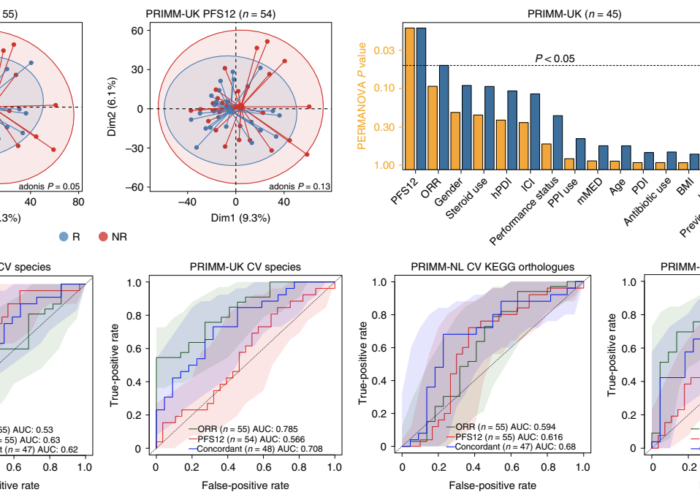
It is important to consider that more than 20% of patients living with cancer receive antibiotics. The authors explored patients’ gut microbiota composition by metagenomic analysis and demonstrated that the bacterium Akkermansia muciniphila was associated with a better clinical response to anti-PD-1 antibody immunotherapy. Moreover, oral administration of this bacterium to mice with an unfavorable microbiota restored the anti- tumor activity of the immunotherapy.

Immunotherapy represents a real revolution in cancer therapies and has been shown to be superior to standard chemotherapy in advanced melanoma, lung, renal and bladder cancer. Although a large proportion of patients still do not benefit from this treatment, “Our research partially explains why some patients do not respond. Taking antibiotics has a deleterious impact on survival in patients receiving immunotherapy. Furthermore, the composition of the intestinal microbiota is a new predictive factor for success,” summarized Dr. Bertrand Routy, hematologist and member of the team of Professor Laurence Zitvogel, director of the “Immunology of tumors and immunotherapy” laboratory (Inserm/Paris-Sud University/Gustave Roussy).

In a cohort of 249 patients treated with anti-PD-1/PD-L1 based immunotherapy for advanced lung, kidney or bladder cancer, 28% received antibiotics for minor infections (dental, urinary or lung infections) but their general health status was not different from patients not receiving antibiotics. The study’s findings revealed that taking antibiotics two months before and up to one month after the first treatment had a negative effect on progression-free survival and/or overall survival for these three types of cancer.

The precise composition of the gut microbiota was established by metagenomics both before and during immunotherapy in 153 patients with advanced lung or kidney cancer. The identification of all the bacterial genes present in the gut microbiota was performed by INRA (MetaGenoPolis, Dr. Emmanuelle Le Chatelier). A favorable microbiota composition, rich in Akkermansia muciniphila, was found in patients with the best clinical response to immunotherapy and in those whose disease had not progressed for at least 3 months.

To demonstrate a direct cause and effect relationship between the composition of gut microbiota and the efficacy of immunotherapy, favorable microbiota (taken from patients who had a good response to PD-1 immunotherapy) and unfavorable microbiota (from patients with therapeutic failure) were transferred to mice deprived of gut microbiota. The mice receiving the favorable microbiota did better when treated with immunotherapy than those who received the unfavorable microbiota. In the latter group, oral administration of Akkermansia muciniphila resulted in the restoration of the efficacy of anti-PD-1 immunotherapy. Changing the microbiota in the mouse re-established the effectiveness of immunotherapy by activating certain immune cells.

Results simultaneously reported in the same edition of the journal by an American team (Dr. Jennifer Wargo, MD Anderson, Texas) support these findings showing that the composition of microbiota in melanoma patients predicts the response to anti-PD-1 immunotherapy.

This research is being carried out within the framework of the Torino-Lumière project (a 9 M€ “investissement d’avenir” [investment for the future] program). The objective of this unique study is to develop microbiome-based biomarkers that predict the response to immunotherapy in patients with lung cancer. This prospective multicenter study initiated in 2016 aims at determining unfavorable bacterial signatures to compensate patients with a combination of bacteria endowed with immunotherapeutic properties.

Story Source: Gustave Roussy press office (Claire.parisel@gustaveroussy.fr)

Gut microbiome influences efficacy of PD-1–based immunotherapy against epithelial tumors. Science (2017). Routy, B., Le Chatelier, E., Derosa, L., Duong, C. P. M., Alou, M. T., Daillère, R., et al. (2017).

http://doi.org/10.1126/science.aan3706


Continue Reading

Related Articles

Druglike molecules produced by gut bacteria can affect gut immune health

Druglike molecules produced by gut bacteria can affect gut immune health

Stanford researchers found that manipulating the gut microbe Clostridium sporogenes changed levels of molecules in the bloodstreams of mice and, in turn, affected their health.

Here’s some food for thought: When you lick your Thanksgiving plate clean this week, you’re not just feeding yourself; you’re also providing meals to the trillions of microbes that live in your gut. And if your dinner includes turkey, a notoriously rich source of the amino acid tryptophan, the gut bacterium Clostridium sporogenes will have the job of breaking down that tryptophan. Then the molecules that are produced by the microbe will flow into your bloodstream in the same way a prescription drug might, interacting with your immune system and changing the biology of the intestines.

Stanford University School of Medicine researchers have used mice to demonstrate how gut bugs could be bioengineered to produce possibly therapeutic changes in the body.

A paper describing their efforts was published online Nov. 22 in Nature. Justin Sonnenburg, PhD, associate professor of microbiology and immunology, and Michael Fischbach, PhD, associate professor of bioengineering, share senior authorship. The lead author is Dylan Dodd, MD, PhD, instructor in pathology.

When the researchers blocked the ability of C. sporogenes to break down tryptophan in mice, levels of certain molecules in their bloodstreams changed. Moreover, the researchers saw physiological changes to the mice’s immune systems and intestines.

“This is a vivid example of not only how the microbiome is affecting things all over your body, but of how we can leverage that to improve health,” said Sonnenburg, using a term for the collection of microbes living on or inside an animal, or in a particular part.

Improving health from the inside

Over the past 15 years, researchers have shown that the composition of a person’s gut microbiome can alter their risk for all sorts of health problems, from diabetes and heart disease to allergies and depression. One reason these tiny microbes have such an outsized effect: They can produce molecules known as metabolites that enter the bloodstream and circulate throughout the body. Pinning down exactly which molecules are produced by which bacteria, however, and how to alter their levels to change health, has been challenging.

Previous studies have shown that just a few bacteria, including C. sporogenes, can break down tryptophan and produce the metabolite known as indolepropionic acid. Studies have also hinted that IPA helps fortify the intestinal wall, letting fewer molecules leak through.

In the new work, the researchers first detailed exactly how C. sporogenes produces IPA from tryptophan. They identified a handful of other compounds also produced in the process — 12 metabolites in total, nine of which can accumulate in the blood and three of which are produced only by bacteria. Then, the researchers pinpointed for the first time the genes that C. sporogenes requires for the breakdown of tryptophan and metabolism of the resulting molecules. A gene called fldC, they showed, is required for the production of IPA.

Next, the team gave germ-free mice either wild-type C. sporogenes—with the ability to produce IPA—or a version of the bacteria that lacked fldC. In mice that received the wild-type bacteria, levels of IPA in the bloodstream were around 80 micromolar; in mice that received the engineered version of the bacteria, IPA was undetectable.

Finally, they looked at how altering the levels of IPA affected the mice. Mice with undetectable IPA, they found, had higher levels of immune cells, including neutrophils, classical monocytes and memory T cells. This suggested activation of two branches of the immune system—the innate and adaptive immune system. In addition, the mice with the engineered version of C. sporogenes had more permeable intestines, a defect which is often seen in gut diseases, including inflammatory bowel disease.

Targeting microbes

If the results hold true in humans, said Sonnenburg, it could point toward a new paradigm for treating some diseases: rather than give a compound, such as IPA, physicians may one day be able to tweak levels of bacteria to affect levels of metabolites. For instance, it might be possible to treat inflammatory bowel disease by boosting levels of C. sporogenes and ensuring patients eat enough tryptophan.

“This gives us a specific example of how we can target individual microbes and pathways in the gut to change a person’s health,” Dodd said. “And this is just one example of hundreds or thousands that are likely out there.”

The group next plans to study C. sporogenes and IPA levels in mice with more complex gut microbiomes—rather than germ-free mice—and begin tracking down other metabolites produced by the gut microbes that may have health effects.

“While providing a stunning example of how a single gut microbe, and a single gene within that microbe, can impact host health, IPA is just the tip of the iceberg,” said Fischbach, “The possibility to positively impact human health through microbiome-produced chemicals is tremendous, and we are poised to take big strides and make this a reality.”

Other Stanford authors are Matthew Spitzer, PhD, a former graduate student; graduate students William Van Treuren and Bryan Merrill; postdoctoral scholar Andrew Hryckowian, PhD; life science researcher Steven Higginbottom, PhD; Gary Nolan, PhD, professor of microbiology and immunology; adjunct faculty member Anthony Le; and Tina Cowan, PhD, professor of pathology.

Story Source: medicalxpress.com

More information: A gut bacterial pathway metabolizes aromatic amino acids into nine circulating metabolites, Nature (2017). nature.com/articles/doi:10.1038/nature24661


Continue Reading

Related Articles

Bacteria in the gut modulates response to immunotherapy in melanoma

Bacteria in the gut modulates response to immunotherapy in melanoma

Bacteria that live in the human digestive tract can influence how cancer responds to immunotherapy, opening a new avenue for research to improve treatment, a team led by researchers at The University of Texas MD Anderson Cancer Center reports in the journal Science.

Patients with metastatic melanoma treated with anti-PD1 checkpoint blockade have their disease controlled longer if they have a more diverse population of bacteria in the gut or an abundance of certain types of bacteria, according to the team’s analysis of fecal samples to assess patients’ gut microbiomes.

“You can change your microbiome, it’s really not that difficult, so we think these findings open up huge new opportunities,” said study leader Jennifer Wargo, M.D., associate professor of Surgical Oncology and Genomic Medicine. “Our studies in patients and subsequent mouse research really drive home that our gut microbiomes modulate both systemic and anti-tumor immunity.”

Wargo and colleagues are working with the Parker Institute for Cancer Immunotherapy to develop a clinical trial that combines checkpoint blockade with microbiome modulation.

Research has shown that a person’s microbiome is a modifiable risk factor that can be targeted by diet, exercise, antibiotic or probiotic use or transplantation of fecal material, said lead co-first author Vancheswaran Gopalakrishnan, Ph.D.

Immune checkpoint blockade drugs that free the body’s own immune system to attack cancer cells help around 25 percent of metastatic melanoma patients, and those responses are not always durable. Research focuses on extending the impact of these drugs.

To assess the impact of the microbiome, Wargo and colleagues analyzed buccal swabs — tissue samples from inside the cheek — and fecal samples of patients treated with anti-PD1 therapy that blocks the PD1 protein on T cells, which acts as a brake on the immune system. They conducted 16S rRNA and whole genome sequencing to determine diversity, composition and functional potential of the buccal and fecal microbiomes.

While the team found no substantial differences in response or progression based on buccal samples, analysis of fecal samples of 30 patients who responded to treatment and 13 who did not told a different story.

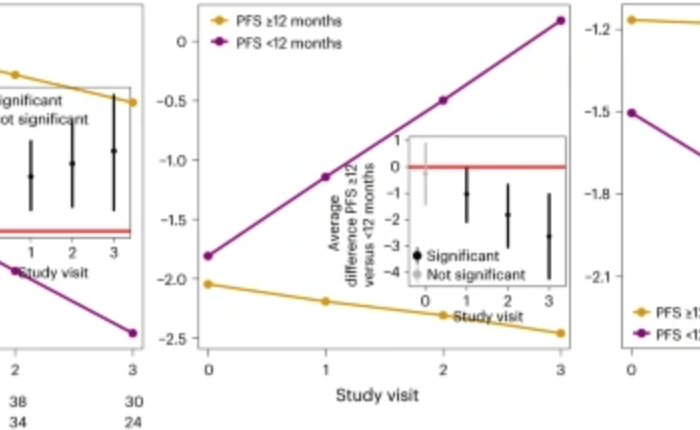
  • Patients with higher diversity of bacteria in their digestive tract had longer median progression-free survival (PFS), defined at the time point where half of studied patients have their disease progress. While the patient group with high diversity had not reached median PFS (more than half had not progressed), those with intermediate and low diversity had median PFS of 232 and 188 days respectively.
  • Notable compositional differences existed in the gut microbiome of patients who responded versus those who did not, with the Ruminococcaceae family enriched in responders and the Bacteroidales order enriched in non-responders. Patients who had a high abundance of the genus Faecalibacterium (of the Ruminococcaceae family and Clostridiales order) in their gut had significantly prolonged PFS (median not reached), compared to patients who had a low abundance (median PFS of 242 days)
  • Abundance of Bacteroidales was associated with more rapid disease progression, with high abundance within the gut microbiome associated with significantly reduced PFS (median 188 days), compared to low abundance (median PFS of 393 days).

Additional analysis showed that responding patients with high levels of the beneficial Clostridiales/Ruminococcaceae had greater T cell penetration into tumors and higher levels of circulating T cells that kill abnormal cells. Those with abundant Bacteriodales had higher levels of circulating regulatory T cells, myeloid derived suppressor cells and a blunted cytokine response, resulting in dampening of anti-tumor immunity.

A favorable microbiome also was associated with increased antigen processing and presentation by the immune system at the tumor site.

To investigate causal mechanisms, the team transplanted fecal microbiomes from responding patients and non-responding patients via fecal microbiome transplant (FMT) into germ-free mice. Those receiving transplants from responding patients had significantly reduced tumor growth as well as higher densities of beneficial T cells and lower levels of immune suppressive cells. They also had better outcomes when treated with immune checkpoint blockade.

Wargo and colleagues note that there is still much to learn about the relationship between the microbiome and cancer treatment, so they urge people not to attempt self-medication with probiotics or other methods.

Story Source: sciencedaily

Gut microbiome modulates response to anti–PD-1 immunotherapy in melanoma patients. Science (2017). Gopalakrishnan, V., Spencer, C. N., Nezi, L., Reuben, A., Andrews, M. C., Karpinets, T. V., et al.

http://doi.org/10.1126/science.aan4236


Continue Reading

Related Articles

Composition and function of the gut microbiome predicts response of immunotherapy in metastatic melanoma patients

Composition and function of the gut microbiome predicts response of immunotherapy in metastatic melanoma patients

The first prospective study of the microbiome composition and function in metastatic melanoma patients undergoing immunotherapy was published by Prof. Andrew Koh and his colleagues at UT Southwestern.

The scientists performed metagenomic and metabolomic analysis from stool samples of 39 patients receiving ipilimumab, nivolumab, ipilimumab+nivolumab, or pembrolizumab. Their main findings are that responders to all checkpoint blockers were enriched in Bacteroides cacca (an anaerobic gram-negative bacteria). Unbiased metabolomic analysis further revealed that 15:2 anacardic acid, a nutrient classically derived from cashew nuts and mango, was specifically enriched in responders.

This study represents a proof-of-principle that a better understanding of microbiome composition and function could allow one to optimize immunotherapy approaches in cancer patients in the future. However, more extensive clinical studies with larger cohort sizes and longitudinal sampling will be needed in order to solidify these preliminary observations. Furthermore, pre-clinical studies on how certain bacteria and their metabolites influence immunity on a mechanistic level will be needed to advance the field from correlation to causality.

Metagenomic Shotgun Sequencing and Unbiased Metabolomic Profiling Identify Specific Human Gut Microbiota and Metabolites Associated with Immune Checkpoint Therapy Efficacy in Melanoma Patients. Neoplasia (2017). Frankel, A. E., Coughlin, L. A., Kim, J., Froehlich, T. W., Xie, Y., Frenkel, E. P., & Koh, A. Y.

http://doi.org/10.1016/j.neo.2017.08.004


Continue Reading

Related Articles

Commensal bacteria secrete metabolites that mimic human signaling molecules

Commensal bacteria secrete metabolites that mimic human signaling molecules

A study published in Nature deciphers how microbiome-derived metabolites (molecules produced by bacteria) mimic human signaling molecules to alter human metabolism.

Researchers at Rockefeller University’s Laboratory of Genetically Encoded Small Molecules found that when bacteria and host cells “talk,” they do so via signaling molecules, such as the ligands that interact with membrane-bound G-protein-coupled receptors (GPCRs).

Building on this observation, the team developed a method to genetically engineer the gut bacteria to produce molecules that have the potential to treat certain disorders by altering human metabolism. When testing of their findings in mice, they saw that the introduction of such modified gut bacteria led to reduced blood glucose levels and other metabolic changes in the animals.

Commensal bacteria make GPCR ligands that mimic human signaling molecules. Nature (2017). Cohen, L. J., Esterhazy, D., Kim, S.-H., Lemetre, C., Aguilar, R. R., Gordon, E. A., et al.

http://doi.org/10.1038/nature23874


Continue Reading

Related Articles

Diet-derived tryptophan influences immune system via gut microbiome

Diet-derived tryptophan influences immune system via gut microbiome

A recent Science study deciphers a specific nutrition / microbiome / metabolite / immunity axis and establishes a link with one bacterial species.

It was shown that Lactobacillus reuteri, part of the normal gut microbiome, may stimulate a more tolerant, less inflammatory gut immune system.

The combination of L. reuteri and a diet rich in tryptophan (protein-rich) showed to promote tolerance-promoting immune cells. When the researchers doubled the amount of tryptophan in the mice’s feed, they found 50 percent more of such cells rose. Consistently, when tryptophan levels were halved, the number of tolerance-promoting immune cells dropped by half.

We humans have the same tolerance-promoting cells as mice, and also accommodate  L. reuteri in our gastrointestinal tracts. Hence, these findings in mice might suggest a way to tilt the gut immune system away from inflammation, bringing potentially relief for people living with inflammatory bowel disease.

Lactobacillus reuteri induces gut intraepithelial CD4(+)CD8αα(+) T cells. Science (2017). Cervantes-Barragan, L., Chai, J. N., Tianero, M. D., Di Luccia, B., Ahern, P. P., Merriman, J., et al.

http://doi.org/10.1126/science.aah5825


Continue Reading

Related Articles

Is white or whole wheat bread ‘healthier’? Depends on the person

Is white or whole wheat bread ‘healthier’? Depends on the person

Weizmann Institute researchers report the results of a comprehensive, randomized trial in 20 healthy subjects comparing differences in how processed white bread and artisanal whole wheat sourdough affect the body.

Despite many studies looking at which bread is the healthiest, it is still not clear what effect bread and differences among bread types have on clinically relevant parameters and on the microbiome. In the journal Cell Metabolism on June 6, Weizmann Institute researchers report the results of a comprehensive, randomized trial in 20 healthy subjects comparing differences in how processed white bread and artisanal whole wheat sourdough affect the body.

Surprisingly, the investigators found the bread itself didn’t greatly affect the participants and that different people reacted differently to the bread. The research team then devised an algorithm to help predict how individuals may respond to the bread in their diets.

All of the participants in the study normally consumed about 10% of their calories from bread. Half were assigned to consume an increased amount of processed, packaged white bread for a week—around 25% of their calories—and half to consume an increased amount of whole wheat sourdough, which was baked especially for the study and delivered fresh to the participants. After a 2-week period without bread, the diets for the two groups were reversed.

Before the study and throughout the time it was ongoing, many health effects were monitored. These included wakeup glucose levels; levels of the essential minerals calcium, iron, and magnesium; fat and cholesterol levels; kidney and liver enzymes; and several markers for inflammation and tissue damage. The investigators also measured the makeup of the participants’ microbiomes before, during, and after the study.

“The initial finding, and this was very much contrary to our expectation, was that there were no clinically significant differences between the effects of these two types of bread on any of the parameters that we measured,” says Eran Segal, a computational biologist at the Weizmann Institute of Science and one of the study’s senior authors. “We looked at a number of markers, and there was no measurable difference in the effect that this type of dietary intervention had.”

Based on some of their earlier work, however, which found that different people have different glycemic responses to the same diet, the investigators suspected that something more complicated may be going on: perhaps the glycemic response of some of the people in the study was better to one type of bread, and some better to the other type. A closer look indicated that this was indeed the case. About half the people had a better response to the processed, white flour bread, and the other half had a better response to the whole wheat sourdough. The lack of differences were only seen when all findings were averaged together.

“The findings for this study are not only fascinating but potentially very important, because they point toward a new paradigm: different people react differently, even to the same foods,” says Eran Elinav (@EranElinav), a researcher in the Department of Immunology at the Weizmann Institute and another of the study’s senior authors. “To date, the nutritional values assigned to food have been based on minimal science, and one-size-fits-all diets have failed miserably.”

He adds: “These findings could lead to a more rational approach for telling people which foods are a better fit for them, based on their microbiomes.”

Avraham Levy, a professor in the Department of Plant and Environmental Sciences and another coauthor, adds a caveat to the study: “These experiments looked at everyone eating the same amounts of carbohydrates from both bread types, which means that they ate more whole wheat bread because it contains less available carbohydrates. Moreover, we know that because of its high fiber content, people generally eat less whole wheat bread. We didn’t take into consideration how much you would eat based on how full you felt. So the story must go on.”

Story source: Medical Express

Article: Bread Affects Clinical Parameters and Induces Gut Microbiome-Associated Personal Glycemic Responses. Cell Metabolism (2017). Korem, T., Zeevi, D., Zmora, N., Weissbrod, O., Bar, N., Lotan-Pompan, M., et al.

http://doi.org/10.1016/j.cmet.2017.05.002


Continue Reading

Related Articles