Network
Our network of scientific talents, thought leaders and inventors
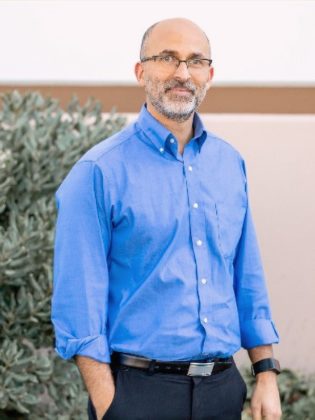
Eddie Adams
Chief Scientific Officer
Micronoma
Eddie Adams is the Chief Scientific Officer of Micronoma, Inc. At Micronoma he leads the development of the Oncobiota™ cell-free microbial DNA liquid biopsy assays for cancer detection. He received his PhD in Biological Chemistry in Peter Seeberger’s laboratory from the Massachusetts Institute of Technology and carried out postdoctoral work in innate immunity with Prof. Nir Hacohen at Harvard Medical School. His industrial research career has encompassed development and successful commercialization of products in nanotechnology, epigenetics, microbiome sample preparation solutions, and disease diagnostics for sepsis and cancer. Eddie is an inventor on 17 issued patents and numerous patent applications.
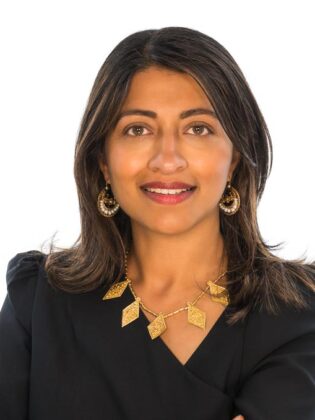
Selena Ahmed
Global Director
Periodic Tables of Food
Selena Ahmed is the Global Director of the Periodic Table of Food Initiative (PTFI) and Dean of Food EDU, based at the American Heart Association. For the past 20 years, she has carried out sustainable food systems research focused on agrobiodiversity, food quality, food environments, and sustainable diet interventions for mitigating diet-related chronic disease. Her ultimate translational goal is to inform food system solutions to improve human and planetary health. Selena brings interdisciplinary training in chemical ecology and human clinical nutrition (postdoctoral fellowship), PhD in biology, Masters of Science in ethnobotany / cultural anthropology, and BA in economics.
Andrew Almonte
Fellow
Gustave Roussy
Andrew Almonte is a postdoctoral researcher in Laurence Zitvogel’s laboratory at Gustave Roussy in Paris, where he studies interactions between the gut microbiome, adaptive immunity, and cancer immunotherapy. His work focuses on how host antibody responses to intestinal bacteria shape microbiome–immune relationships and influence responses to immune checkpoint blockade. His research combines clinical cohorts, microbiome profiling, flow cytometry, mouse models, and computational analysis. A central aim is to understand how faecal microbiota transplantation and other microbiome-centred interventions remodel host–microbiome immune interactions, with the goal of developing mechanistically grounded biomarkers and strategies to improve immunotherapy. Andrew holds a Bachelor of Science from the United States Naval Academy, and a Master of Biological Sciences (Advanced) and Doctor of Philosophy from the Australian National University. Before joining Gustave Roussy, he worked in the Mark Davis and Yueh-Hsiu Chien laboratories at Stanford University School of Medicine while completing his doctorate. His doctoral research centred on bacteria-based cancer immunotherapy and the gut microbiome’s influence on immune checkpoint blockade.
Carolina Alves Costa Silva
Carolina Alves Costa Silva is a Ph.D. candidate in Pr. Laurence Zitvogel’s laboratory “Immunologie des tumeurs et immunothérapie contre le cancer”. She did Medical School at Federal University of Bahia, Medical Residency in Internal Medicine and Medical Oncology at Sao Paulo University (Brazil). After working as a Medical Oncologist at Oncoclínicas (Brazil), she first came to Gustave Roussy as a DUERTECC fellow at Genitourinary Department (Dr. Laurence Albiges). She is currently investigating the antitumor effects of key metabolites found in Pr. Zitvogel and Pr. Kroemer’s ONCOBIOME cohorts, notably ketoglutarate. She also works in the kidney cancer clinics for the KETOREIN trial.
- Microbiota
- Kidney
- Ileopathy
Sandrine Aspelagh
Medical Oncologist
UZBrussel
Sandrine Aspeslagh is a medical oncologist at the Department of Medical Oncology at UZ Brussel (Brussels, Belgium). Her clinical and research interests center on cancer immunotherapy, with a particular focus on immune-related adverse events, skin cancers (including melanoma and cutaneous squamous cell carcinoma), and urogenital malignancies. She obtained her PhD in immunology in 2012 at Ghent University, where she studied iNKT cells in cancer models. Inspired by the early successes of immune checkpoint inhibition, she pursued further specialization in oncology to translate advances in immunology into patient care. In 2014, she received the Georges Mathé Prize for her work in immunotherapy, which enabled her to join the Drug Development Department (DITEP) as an investigator in multiple early- and late-phase clinical trials. She subsequently worked at Institut Jules Bordet before moving to UZ Brussel. Sandrine Aspeslagh has played a major role in education and capacity building in immune-oncology, organizing training initiatives for oncologists, general practitioners, scientists, and allied healthcare professionals. She is a co-author of several publications in immunotherapy and targeted therapy and supervised the development of the Immunomanager, an online decision-support tool of the Belgian Society of Medical Oncology (BSMO) for the management of immune-related adverse events. In collaboration with BSMO, she initiated the Multidisciplinary Immunotoxicity Board (BITOX) in 2021, which has reviewed nearly 200 complex cases of severe immune-related toxicities, often involving patients with underlying dysimmune conditions. She currently leads the FORX clinical trial, investigating dietary interventions to reduce immune-related adverse events in cancer patients receiving immunotherapy.

Marion Badi
Collaborator
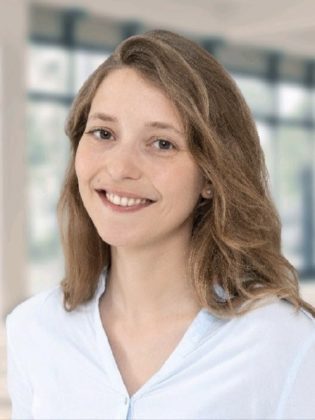
Marion Badi works as project engineer in the Active Implants & Microsystems unit at Helbling Technik Bern. Helbling Technik supports their clients in the engineering development of innovative products and technologies. Marion earned a PhD in electrical engineering at EPFL working on the development of implantable electrical therapies targeting neurological injuries. She has expertise in diverse engineering areas such as electronics, modeling, and signal processing with a focus on biomedical applications.

Veronique Bataille
Principal Investigator
KCL
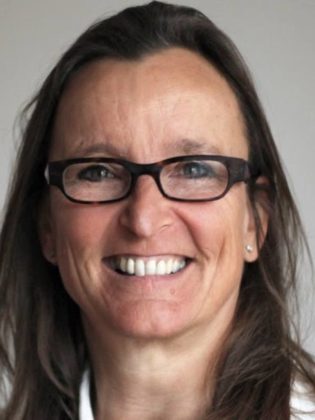
Dr Bataille has been practising dermatology since 1989 in many teaching hospitals in London. She completed her PhD in 1995 at the CRUK/Royal London Hospital, London. In 2004, Dr Bataille moved to the West Hertfordshire NHS Trust where she runs a melanoma genetic clinics and supports the oncologists at the Mount Vernon Cancer Centre. Dr Bataille has been involved in many research projects over the last 25 years looking at the genetics of melanoma, naevi, pigmentation, gut microbiome and COVID skin manifestations. She has published extensively over the last 30 years Her H index on Google Scholar is 54.

Christoph von Bieberstein
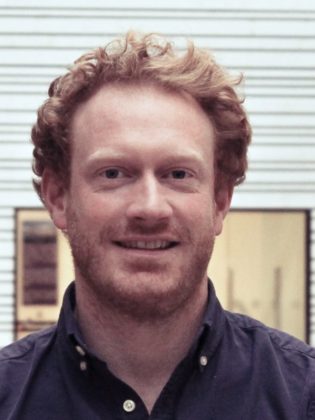
Christoph is co-founder and commercial director of HexagonFab. Before, Christoph was a senior consultant for McKinsey & Company working with a particular focus in market access for new therapeutics and vaccines in developed and emerging markets. Christoph holds a Master’s degree in Strategy and International Management from the University of St.Gallen. During his studies Christoph co-founded the non-profit organisation Liter of Light in Switzerland, the grass-roots solar-bottle movement to bring light to underprivileged communities around the world. Seerave has placed a seed investment into Hexagon Fab. Further, Hxagon Fab is a consortium member of the DIP project.
Johannes Björk
Fellow
UMCG
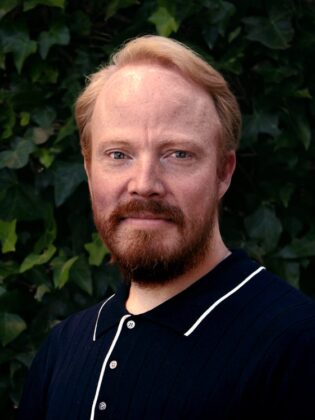
Johannes Björk is an Assistant Professor at the University Medical Center Groningen, where he leads research on the role of the gut microbiome in shaping immunotherapy response. His work leverages large observational cohorts and integrates multimodal data, including metagenomics, dietary information, metabolomics, and high-throughput immune profiling — to dissect gut microbiota-immune interactions at the levels of molecules, genes, and genomes. Drawing on his background in microbiome ecology and evolution, with prior research spanning hosts from marine sponges to wild baboons, he brings a unique systems perspective to human microbiome science. His approach is rooted in systems ecology: viewing the gut microbiome as a dynamic, adaptive system whose functions emerge from interactions among its components. To uncover predictive features and dynamic patterns in complex multimodal data, he develops and applies methods from Bayesian statistics, network science, and machine learning. His ultimate goal is to translate these insights into microbiome-targeted therapeutics that improve patient outcomes.
- Microbiome ecology
- Longitudinal analysis
- Multi-omic analysis
- System biology

Martin Blaser
Principal Investigator
Rutgers
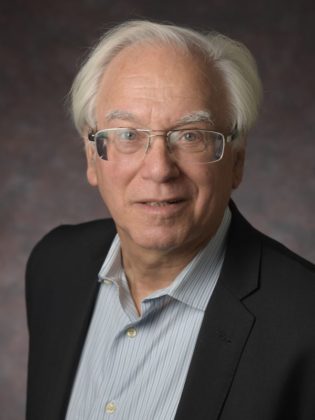
Martin Blaser serves as Henry Rutgers Chair of the Human Microbiome and Director, Center for Advanced Biotechnology and Medicine at Rutgers University. For 20 years, he has been investigating the relationship of the human microbiome with the epidemics of obesity, diabetes, and asthma. He was President, Infectious Diseases Society of America, elected to the National Academy of Medicine and American Academy for Arts and Sciences, and currently chairs the Presidential Advisory Council for Combatting Antibiotic-Resistant Bacteria (PACCARB). He wrote Missing Microbes, now translated into 20 languages.
Laura Bolte
Fellow
UMCG
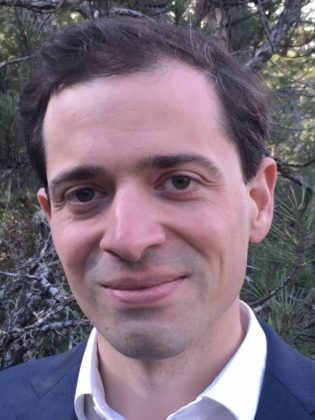
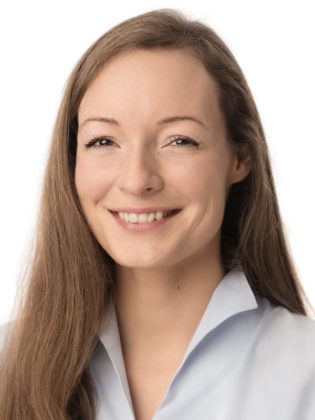
Dr. Laura Bolte is an MD and PhD with a background in Nutritional Sciences. After completing her degree in Nutritional Sciences in Münster, she earned her MD at the University of Groningen. Her PhD research, conducted at the University Medical Center Groningen (UMCG) under the supervision of Rinse Weersma, Geke Hospers, and Johannes Björk, focused on the relationship between diet, gut microbiome, and the immune system in the context of intestinal inflammation and cancer immunotherapy. Laura is currently working as a physician-scientist at UMCG and together with the Seerave Foundation to build a data consortium on antibiotic and drug use in relation to immunotherapy outcomes, with the goal of integrating scientific evidence into clinical guidelines.
- diet-microbiome interaction
- intestinal inflammation
- immunotherapy
- nutrition
Sergio Andres Castañeda Garzon
Fellow
University of Trento
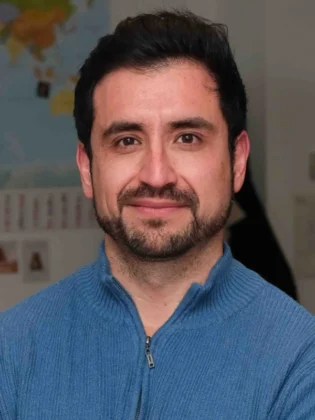
Sergio Castañeda is a postdoctoral fellow in Nicola Segata's Laboratory of Computational Metagenomics at the CIBIO Department of the University of Trento, which he joined in February 2025. He earned his Ph.D. in Biomedical and Biological Sciences from Universidad del Rosario in Colombia, where he studied host-microbiome interactions in transmissible diseases. His research leverages computational metagenomics, multi-omics analytics, and tool development to explore the gut microbiome in oncology, focusing on transmission dynamics, cancer immunotherapy, and microbiome-modifying interventions. Recently, as part of the Oncobiome Atlas Consortium funded by the Seerave Foundation, he supports the design and implementation of bioinformatic pipelines for data harmonization, systematic curation, and multi-layer profiling (taxonomic, functional, and strain-level) across public and clinical cohorts to unravel microbial signatures driving treatment response and resistance to immune checkpoint inhibitors.
Damion Corrigan
Collaborator
University of Strathclyde
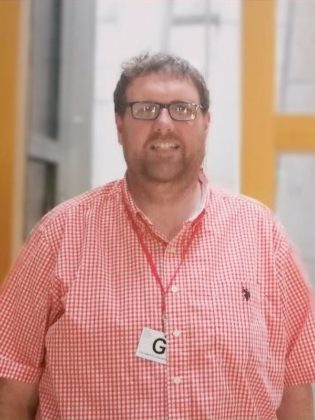
Damion Corrigan is a Lecturer and Chancellor's Fellow in the Department of Biomedical Engineering at the University of Strathclyde. His area of expertise is the electrochemical detection of disease markers, particularly for infectious conditions. Based on core expertise in electrochemical sensing, analytical chemistry and device fabrication his research aims to develop improved diagnostic tests for clinically important conditions such as, drug resistant bacterial infections, COVID-19, sepsis, cancer and epilepsy.

Andrés Cubillos-Ruiz
Andrés Cubillos-Ruiz, PhD is the co-founder and Chief Executive Officer of Florey Biosciences. He is a microbiologist with expertise in microbial evolution and bioengineering. Andrés received his PhD from the Massachusetts Institute of Technology and completed postdoctoral studies at the Institute for Medical Science and Engineering at MIT. In 2020, he joined the Wyss Institute for Biologically Inspired Engineering at Harvard, where he worked on advancing both the technical and commercial aspects of a platform for delivering biological effectors to the human gut using microbes. The platform's first application, an engineered probiotic designed to manage the harmful effects of antibiotics on the gut microbiome, became the foundation for Florey Biosciences.
Carrie Daniel-MacDougall
Collaborator
MD Anderson
As an Associate Professor of Epidemiology and Director of MD Anderson Cancer Center’s Bionutrition Research Core, my long-term goal is to refine and inform evidence-based dietary recommendations across the cancer continuum. Building on my training at Emory University, the American Cancer Society and the National Cancer Institute, my research at MD Anderson is increasingly motivated by the many unanswered questions and complexities surrounding nutrition, obesity, and the microbiome in our patients. Together with clinical and laboratory colleagues, we carefully collect data and “observe” habits, while pushing forward to more definitively answer these questions in dietary intervention trials.
Lisa Derosa
Principal Investigator
IGR
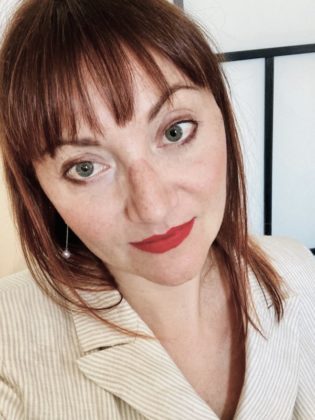
Lisa Derosa is a clinician-scientist in immuno-oncology affiliated with Institut Gustave Roussy and Université Paris-Saclay in France. Her research focuses on the role of the gut microbiota in cancer development and response to immunotherapy, with the aim of improving patient stratification and therapeutic outcomes. She has made key contributions to understanding how microbial composition influences resistance and sensitivity to immune checkpoint inhibitors and has co-authored numerous high-impact publications in this field. Lisa is the initiator of Clinicobiome, a translational program integrating microbiome research into clinical oncology, and she oversees multiple clinical cohorts supporting biomarker discovery and therapeutic innovation. She also plays a leading role in large collaborative initiatives, including ONCOBIOME, a European research consortium investigating microbiome-based biomarkers in cancer.
Franziska Deutschbein
Fellow
Fondazione Policlinico Universitario A. Gemelli
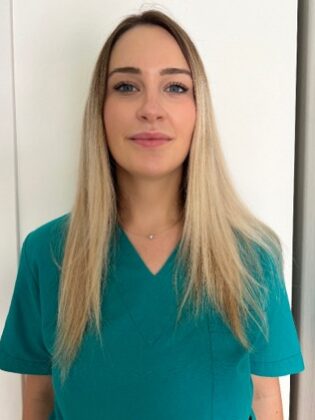
I am a medical doctor and gastroenterology resident at the Fondazione Policlinico Universitario A. Gemelli – IRCCS. Since the beginning of my residency, I have been actively involved in research on gut microbiota under the supervision of Professor Gianluca Ianiro. My work primarily focuses on the role of the gut microbiota in patients treated with immune checkpoint inhibitors (ICIs), with a particular focus on the management of gastrointestinal-related toxicities and the impact of antibiotics and proton pump inhibitors on microbiota disruption and the resulting loss of response to ICIs.
Maria Gloria Dominguez
Principal Investigator
Rutgers
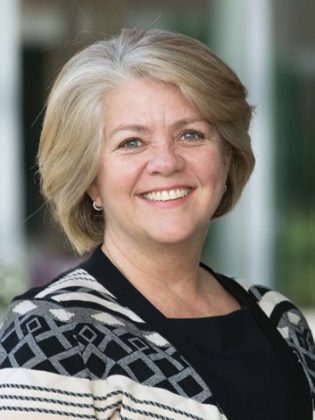
Maria Gloria Dominguez-Bello is the Henry Rutgers Professor of Microbiome and Health at Rutgers University. Her lab studies the impacts of modern practices on microbiomes, and strategies for restoration. She is a Fellow of the Infectious Disease Society of America (IDSA), and of the American Academy of Microbiology, and is a cofounder of the Microbiota Vault, a global initiative to preserve the diversity of the microbes relevant to human health.

Anna Dulencin
Associate Research Professor
Rutgers University
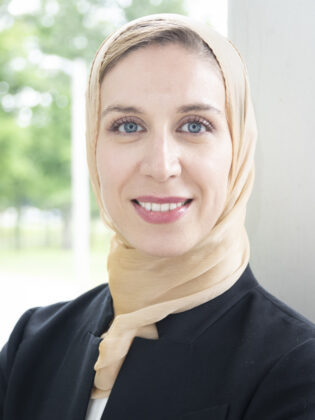
Anna Dulencin is an Associate Research Professor and Director of the Eagleton Science and Politics Program at Rutgers University. Following a BA in Genetics and PhD in Neuroscience also from Rutgers, she was a biomedical research consultant at the New Jersey Autism Center of Excellence. As a Visiting Fellow in the Department of Biochemistry and Microbiology, she studies the infant microbiome and workforce strategies to support maternal-infant bonding with the aim of lowering early-childhood microbiome disturbances due to antibiotics and maternal separation.
Adrian Egli
Collaborator
University of Basel
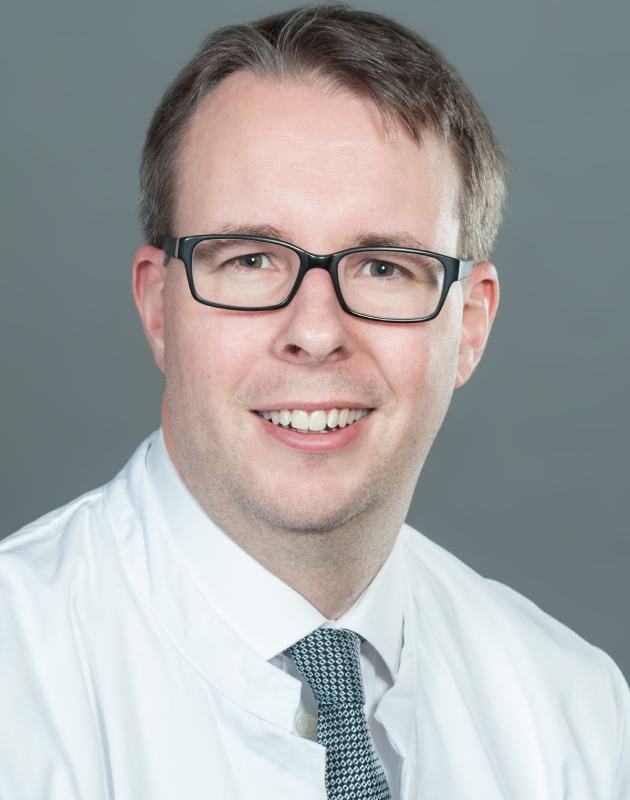
Prof. Adrian Egli is the Head of Clinical Bacteriology and Mycology of the University Hospital Basel and a research group leader at the Department of Biomedicine at the University of Basel. His research focuses on host-pathogen interaction and he and his team aims to understand antibiotic resistance and virulence development in single bacterial species and bacterial communities. He has published more than 150 articles, including high-ranked journals such as Nature Medicine, Nature, Plos Pathogens, and many more. Prof. Egli coordinates large national incentives in Switzerland including the SPHN/PHRT funded Personalized Swiss Sepsis Study and the Swiss Pathogen Surveillance Platform. He is a member of the Microbiota Vault pilot team in Switzerland.

Hervé Elettro
Head of Microfluidics
Xsensio
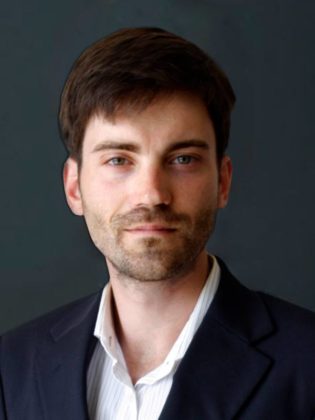
Hervé is the Head of Microfluidics of Xsensio. He leads the development of innovative solutions for the collection and transport of novel biofluids for the Lab-on-SkinTM sensing platform. After a MSc in Physics at ENS Ulm, he earned a PhD in fluid-structure interactions from Sorbonne Université. Before joining Xsensio, Hervé obtained several grants to join international research groups in Santiago de Chile and EPFL, where he unraveled new fundamental knowledge in 2D materials and microfluidics. Xsensio SA is a swiss start-up that develops innovative wearable systems that continuously monitor our physiological state to detect risks in real-time.

Arielle Elkrief
Dr. Arielle Elkrief MD, FRCPC is a clinician-scientist and Assistant Professor in the Department of Oncology at the Centre hospitalier de l’Université de Montréal (CHUM). She was recruited to the CRCHUM in 2023 and directs her research laboratory focused on the gut and tumor microbiome as a biomarker of response to immunotherapy. She is also co-Director of the CHUM Microbiome Centre she leads microbiome-centered clinical trials combining microbiome interventions such as fecal microbiota transplantation (FMT), prebiotics, and diet. In addition, she contributed to establishing the negative impact of antibiotics on immunotherapy activity in patients with cancer. She was recently awarded the American Society of Clinical Oncology Young Investigator Award and the Society of Immunotherapy of Cancer-Melanoma Research Alliance Women in Melanoma Award.
Prof. Sir Chris Evans
Founder
The Cancer Platform
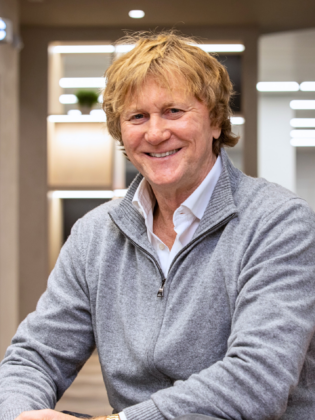
Professor Sir Chris Evans is one of the world's leading biotech entrepreneurs, a scientist and family man, who has spent 36+ years at the forefront of his trade, turning scientific discoveries into products and services that have directly benefited the lives of people around the world. He started his first company, Enzymatix in 1987 where he quickly developed surfactants which went on to save the lives of millions of premature babies by enabling their lungs to open. In 1995, he become an OBE and by 2001 he became the youngest scientist to be knighted for services to bioscience, enterprise and through advisory roles to the UK and global governments. Alongside his wider research, finding more positive outcomes and options for those affected by cancer has always been a focus of Sir Chris’. In 2017 he made it his primary mission to spend significant time, money and resources, investing in and bringing together global expertise to unearth new cancer breakthroughs. This included co-founding the cancer drug development company, Ellipses Pharma alongside Dr Rajan Jethwa, in addition to co-founding the UK charity, The Cancer Awareness Trust with the purpose of building the Cancer Platform. In 2022, Sir Chris launched EDX Medical to focus on creating cancer prevention and diagnostics solutions.
Margherita Ferrari
Fellow
Università Cattolica del Sacro Cuore
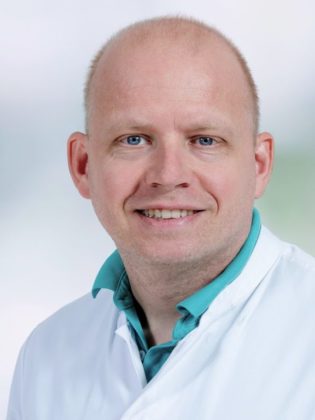
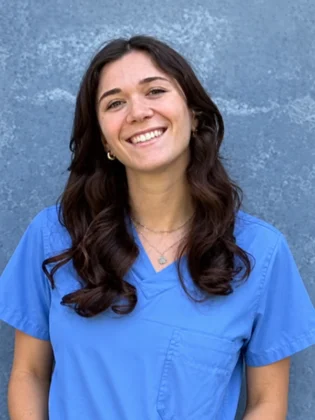
Margherita Ferrari is a medical researcher and gastroenterology resident at the Università Cattolica del Sacro Cuore in Rome, Italy, who researches the gut microbiome's connection to non-communicable diseases, including cancer.
Gladys Ferrere
Alumni at Laurence Zitvogel Lab
IGR
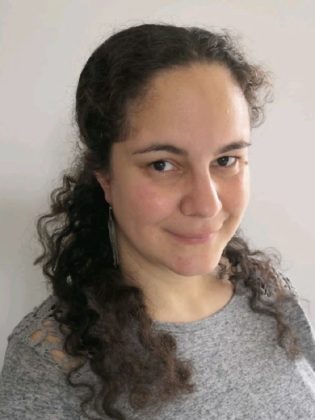
Gladys FERRERE is a researcher and she studies the impact of microbiota and diet in different pathologies. In 2015, she obtained her pHD on the role of microbiota in liver disease. After she joined Zitvogel’s team at Gustave Roussy Institute. She showed the impact of ketogenic diet and the metabolites associated on the immunotherapies responses in preclinical models. In Clinicobiome program, a clinical trial named KETOREIN is open since november 2021 and tests the diet she found. She worksnow at the national Institute in food research and tries to find pro- or prebiotic that can improve people’s life.
- Tumor immunology
- Microbiome
- Nutrition
Marine Fidelle
Fellow
IGR
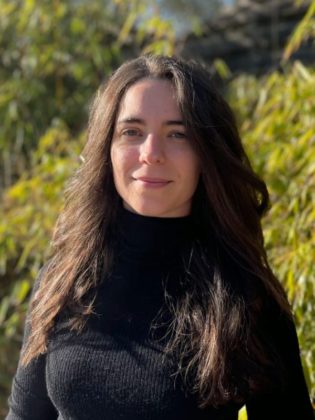
Marine Fidelle is a PharmD level passionate about immunology. During her PhD (2018-2021) in Pr. Zitvogel’s lab, she managed to elucidate the vicious immunosuppressive mechanism of antibiotic treatments in patients receiving immunotherapy with immune checkpoint inhibitors (ICIs). She wants to explore therapeutic interventions to circumvent the deleterious impact of gut dysbiosis in patients with cancer. In the meantime, she has discovered a promising biomarker of ICIs response and prognosis. She is also implicated in a multicentric lung cancer screening programme.
- Pharmacy
- Diet and Metabolism
- Gut microbiome involvement in cancer
- Immunology
- MultiOmics Analysis
Raphaël Gayet
Chief Scientific Officer
Florey Biosciences
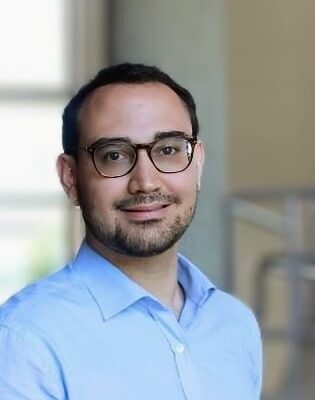
Raphaël V. Gayet, PhD is the co-founder and CSO of Florey Biosciences. A life sciences entrepreneur and synthetic biology specialist, Raphaël was initially trained as a biological engineer in France (ENS Lyon) and Switzerland (EPFL), he completed his PhD at the Massachusetts Institute of Technology, focusing on nucleic acid technologies for material sciences and RNA therapeutics. He then joined the Wyss Institute for Biologically Inspired Engineering at Harvard University where he developed engineered probiotics, with an emphasis on metabolic health and diabetes. Today, at Florey Biosciences, Raphaël leads the development of new types of microbes designed for human health, that help make antibiotic use safer.
Tal-avi Gefen
Fellow
Technion
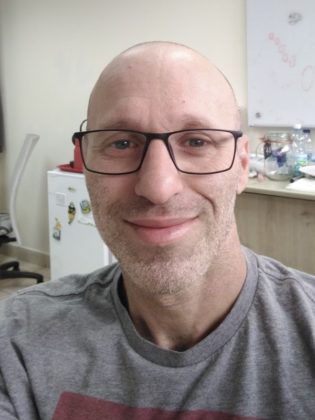
Tal Gefen (PhD) is a lab manager and research associate at Naama Geva-Zatorsky’s lab “Microbiome – Host interaction”, Technion, Israel. Tal has graduated the Hebrew university of Jerusalem, where he conducted a research focusing on immunogenicity of therapeutic proteins. Later, as a postdoc under the guidance of Professor Eli Gilboa at University of Miami, he specialized in cancer immunotherapy and developed a novel molecule for the inhibition of checkpoint blockage via the TIM-3 receptor, expressed on exhausted T cells. At the Geva-Zatorsky’s lab, he is mainly focusing on microbial-immunological technology integration, development, and projects management.
Mallia Geiger
Fellow
CHUM / Université de Montréal
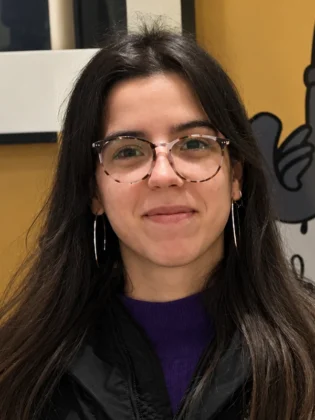
Mallia Geiger is Seerave Bioinformatics Fellow and translational microbiome researcher working across the Elkrief/Routy/Zitvogel cancer-immunotherapy axis and collaborating groups in France and the UK. Her published work spans the role of the gut microbiome in cancer immunotherapy (including the FMT-LUMINate phase 2 trial, Nat Med, 2026), the impact of Faecalibacterium prausnitzii in preclinical pelvic radiation disease models (Gut Microbes, 2020), and gut microbiome signatures of Parkinson's disease, including the GBA1 mouse model (Front Neurosci, 2025; Nat Med, 2026 with the Schapira group at UCL). Her research focuses on microbiome-host interactions and their exploitation for disease prevention and therapy modulation.
Naama Geva-Zatorsky
Principal Investigator
Technion
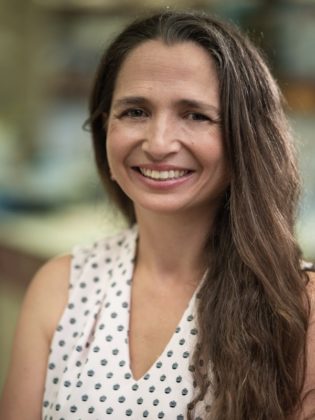
Naama is combining systems-biology with microbiology and immunology to study the interactions between gut microbes and the host immune system in health and disease. She has characterized the host response to a variety of gut microbes and has applied a metabolic labeling approach to fluorescently label the anaerobic gut microbes. In addition, she is studying microbial genetic mechanisms that allow gut microbes to thrive the dynamic gut ecosystem and to co-op with bacteriophage. She is a recipient of the Alon Fellowship, the national and international UNESCO-L’Oreal award, the Human Frontiers fellowship, the EMBO fellowship, the John F. Kennedy Prize, the Teva Prize, and the Barenholz prize, for academic excellence. Naama received her B.Sc. from Tel Aviv University, double-majoring in Chemistry and Biology, with summa cum laude honors. Her M.Sc. and Ph.D., are from the Weizmann Institute, studying systems-biology of protein dynamics in cancer, with Prof. Uri Alon, completed with honors. Her postdoctoral training was at Harvard Medical School, studying gut microbiota-host interactions with Prof. Dennis Kasper.

Jack Gilbert
Principal Investigator
University of California San Diego
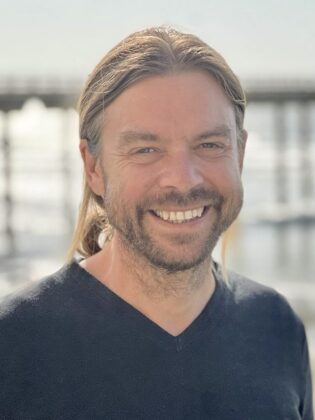
Professor Jack A Gilbert earned his Ph.D. from Unilever and Nottingham University, UK in 2002, and received his postdoctoral training at Queens University, Canada. In 2019 he moved to University of California San Diego, where he is a Professor in Pediatrics and the Scripps Institution of Oceanography, Associate Vice Chancellor for Marine Science, and Director of both the Microbiome and Metagenomics Center and the Microbiome Core Facility. Dr. Gilbert uses molecular analysis to test fundamental hypotheses in microbial ecology.
Ron Gill
Director of Biosensing
Xsensio
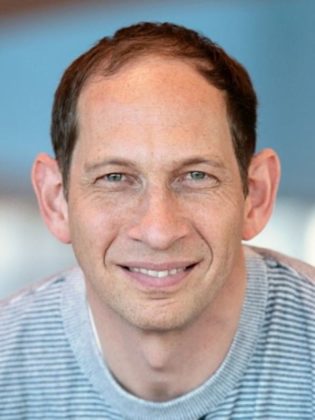
Ron is the CTO of Xsensio, where he leads the development of the company’s proprietary Lab-on-Skin™ sensing platform. He holds a PhD in Chemistry, B.Sc in Materials Engineering and a B.A. in Physics. Before joining Xsensio, he spent several years developing novel biosensing concepts as an assistant professor at the University of Twente in the Netherlands and then moved to industry and worked as the CTO of the Dutch start up Biovolt BV, where he was managing the technology development of diagnostics assays for metabolic syndrome related health issues. Xsensio SA is a swiss start-up that develops innovative wearable systems that continuously monitor our physiological state to detect risks in real-time.
Surath Gomis
Director of RnD & Co-Founder
Arma Biosciences
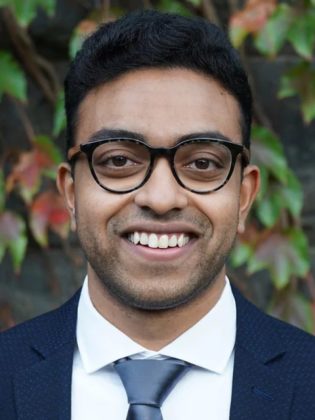
Surath is an engineer and academic who co-founded Arma Biosciences, developing a platform biosensing technology rooted from his PhD work published in Nature Chemistry. His passion for science is seen in his publications, patents, and in having organised Canada’s foremost science outreach festival, Science Rendezvous.
Thomas Gurry
Principal Investigator
HUG
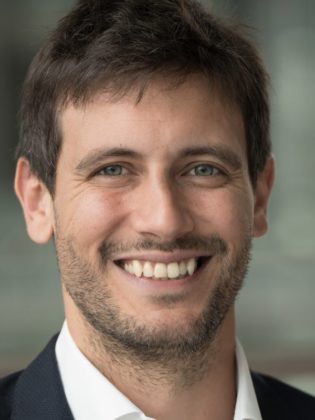
Following a bachelors in Biochemistry and masters in Computational Biology, Thomas completed a PhD in Computational and Systems Biology at MIT. As a postdoc, also at MIT, he began studying the clinical impact of the gut microbiome with Prof. Eric Alm at the MIT Center for Microbiome Informatics and Therapeutics. It was during this time that he developed an interest in how we can use dietary interventions to shape the composition and metabolic output of the microbiome for therapeutic purposes. This led him to work on building a framework around personalised dietary fibre supplementation aiming to boost Short Chain Fatty Acid (SCFA) production in the gut. Thanks to the support of Seerave, Thomas has launched a clinical trial investigating the impact of different diets on plasma SCFAs and circulating markers of inflammation.
- Diet and the gut microbiome
- Short Chain Fatty Acids
- Machine learning
Rachel Herren
Fellow
Technion
Rachel is a research associate in Naama Geva-Zatorsky's lab at the Faculty of Medicine, Technion, Israel. She received her BSc in Health Sciences and Technology from ETH Zurich, Switzerland. Her Master's degree in Molecular Health Sciences was completed at ETH Zurich, Switzerland and her Master's thesis at the Einav Lab at the Weizmann Institute, Israel. What drove her to enter research is the potential of nutrition and lifestyle and how it can affect our microbiome and immune system in health and disease. Her role in the lab is to support projects scientifically and from an editorial perspective. She also researches skip lesions in Crohn's disease and how their inflammation pattern can help us understand inflammation in other conditions.
Adrian Heuss
Collaborator
Microbiota Vault
Adrian Heuss is a strategy consultant, conceptionalist and editor at advocacy. Initially, he wrote as a science journalist for various Swiss daily newspapers. After graduating from the Ringier School of Journalism, he worked for an international communications agency. He supported the feasability study of the microbiota vault.
Ashley E. Holly
Alumni
MD Anderson
Dr. Holly received her PhD from Cleveland State University with her doctoral research completed at the Cleveland Clinic. Her robust training in protein biology coupled with a strong interest in nutritional biochemistry led her to serve as a Research Scientist in the McQuade Lab at MD Anderson, where she was part of a team that performs controlled feeding studies. Her thirst for knowledge led Dr. Holly to earn an MBA degree giving her a unique skill set in the field! Currently, Dr. Holly is a Fellow in the Sharifi Lab at the Cleveland Clinic investigating diet, metabolism, and Prostate Cancer.
Kevin Honaker
Entrepreneur
Biomesense
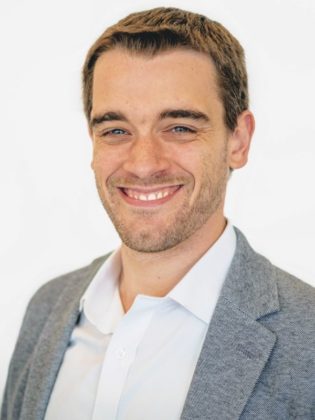
Kevin the co-founder of Biomsense and is a skilled STEM commercialization leader with more than eight years’ experience in the healthcare space. Prior to joining BiomeSense, Kevin provided strategic and operational leadership as the Director of Operations for a seed-stage pharmacogenomics spinoff from the University of Chicago.
Sara Hone López
Collaborator
UMCG
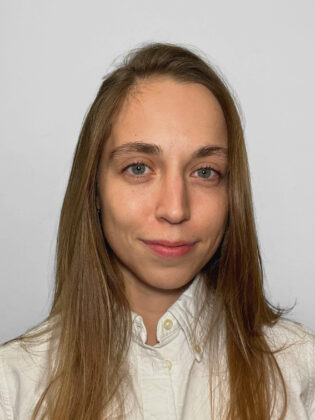
Sara Hone López is a medical doctor and a PhD candidate affiliated with the Department of Medical Oncology at the University Medical Center Groningen. In 2020, she embarked on her doctoral journey, working under the guidance of Dr. J.J. de Haan, Dr. M. Jalving, Prof. Dr. R.S.N. Fehrmann, and Prof. Dr. E.G.E. de Vries. Her research focuses on unravelling the interplay between the gut and immune checkpoint inhibitors (ICIs), aiming to identify novel targets to improve response to ICIs. She is currently conducting research in collaboration with Seerave, focusing on investigating gut wall characteristics in patients with advanced melanoma favouring response to ICIs.
Geke Hospers
Principal Investigator
UMCG
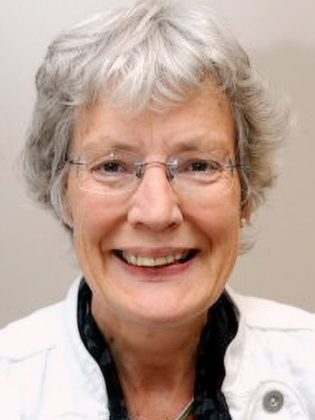
I am a medical oncologist at the department of Medical Oncology of the UMCG, the Netherlands. I studied biochemistry and medicine. I obtained my PhD degree in 1989 with the thesis ‘Mechanisms and circumvention of cellular resistance to cisplatin”. During my Dutch Cancer Society (KWF) fellowship I worked on gene therapy topics in several labs in the Netherlands, the UK (Chester Beatty Laboratories, London) and Belgium (Ludwig Institute, Brussels) and I was trained as a medical oncologist. At 1995 I started as a trained medical oncologist at the University Medical Center Groningen, the Netherlands. In 2011 I was appointed as a professor at the Department of Medical Oncology. My recent clinical research topics are to improve clinical outcome of patients with (locally) advanced melanoma, patients with locally advanced rectal cancer and to develop innovative molecular imaging techniques using whole body PET/CT on for example targets as PD-L1 and hormone receptors.
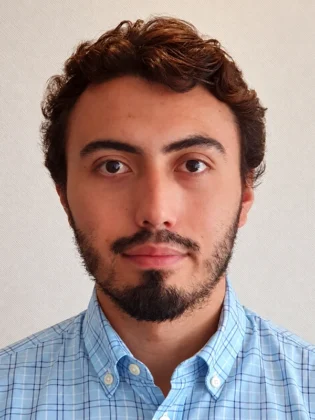
Sebastian Hunter
Fellow
CHUM / Université de Montréal
Sebastian Hunter is a bioinformatician affiliated with Arielle Elkrief's group at CHUM in Montreal, working on the intersection of the gut microbiome and cancer immunotherapy. He is a co-author on the multicenter phase 2 FMT-LUMINate trial (Duttagupta et al., Nat Med, 2026), which showed that fecal microbiota transplantation combined with anti-PD-1 therapy can improve outcomes in advanced non-small cell lung cancer and melanoma. His contributions place him within the CHUM/Routy-Elkrief clinical microbiome program.
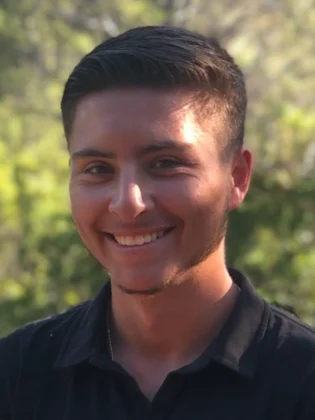
Yoan Hurtado
Fellow
CR CHUM
Yoan Hurtado, PhD candidate and Seerave Bioinformatics Fellow and a researcher affiliated with the Elkrief/Routy immuno-oncology group at the CRCHUM. He holds a Master's in Bioinformatics with a specialization in In Silico Drug Design from Université Paris Cité and has worked at Gustave Roussy on clinical, metabolomic, and metagenomic data in immuno-oncology. He is a co-author on recent papers linking the gut microbiome to immunotherapy response, including Birebent et al. (Oncoimmunology, 2025) on surrogate markers of intestinal dysfunction as predictors of survival in advanced cancers, and Mallard de La Varende et al. (Cancer Cell, 2026) on subclinical cholestasis driving gut dysbiosis and immunotherapy resistance.
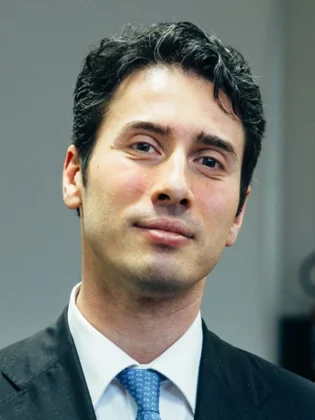
Gianluca Ianiro
Principal Investigator
Fondazione Policlinico A. Gemelli IRCCS / Università Cattolica del Sacro Cuore
Gianluca Ianiro is a gastroenterologist at the Digestive Disease Center of the Fondazione A. Gemelli IRCCS and adjunct professor in gastroenterology at the Università Cattolica del Sacro Cuore in Rome, Italy. He is a translational researcher with a focus on microbiota (>200 full papers in international journals including NEJM, Nature Medicine, Lancet Gastroenterology and Hepatology, Lancet Infectious Disease, Gastroenterology, Circulation, Annals of Internal Medicine, Gut, Nature Reviews Gastroenterology and Hepatology, etc.). He has received several research grants and has been honored as a UEG Rising Star (2020). His current research interests are disentangling the rules of microbiome engraftment, investigating FMT in novel indications, and exploring the role of microbiome diagnostics in clinical practice.
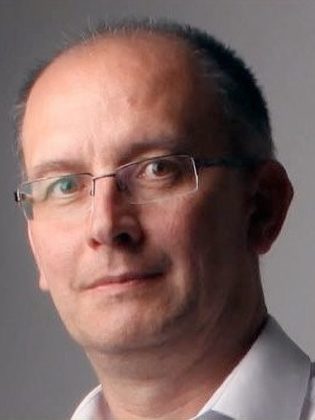
Adrian Ionescu
Co-Founder
Xsensio
Adrian is a co-founder of Xsensio, and its CSO. He is also a full Professor at EPFL, where he leads the Nanolab. He received his Ph.D. degree from the National Polytechnic Institute of Grenoble in France, and has held staff and/or visiting positions at LETI-CEA and LPCS-ENSER in Grenoble, at Stanford University, and at Tokyo Tech. He has published more than 350 articles in international journals and conference.
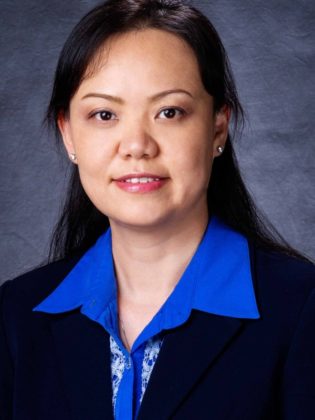
Yan (Janie) Jiang
Fellow
MD Anderson
Janie is a program/laboratory manager at MD Anderson Cancer Center. She received a PH.D. in nutritional biochemistry from Purdue University in West Lafayette Indiana. She did a postdoctoral training at University of Michigan in Ann Arbor Michigan. The research she is working on is around Dr. Jennifer McQuade’s “a control feeding study to investigate impact of dietary fiber on gut microbiome and immunity in melanoma patients”.
- Cancer
- Diet and Nutrition
- Microbiome
Iris Kalka
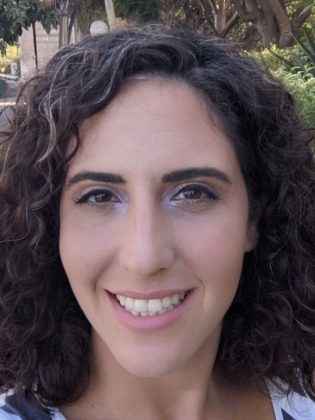
Iris Kalka is a Ph.D. candidate in Pr. Eran Segal's laboratory. She studied computer science focused of bioinformatics before specializing in systems biology in her M.Sc. at the Weizmann Institute of Science (Israel). After a fellowship in University of Chicago's Data Science for Social Good program she returned to a Ph.D. in Pr. Eran Segal's laboratory. As a Seerave Fellow, Iris is involved in profiling immune responses of cancer patients by leveraging high throughput antibody repertoire profiling methodologies.
- Machine Learning
- Systems Biology
Shana Kelley
Principal Investigator
University of Toronto
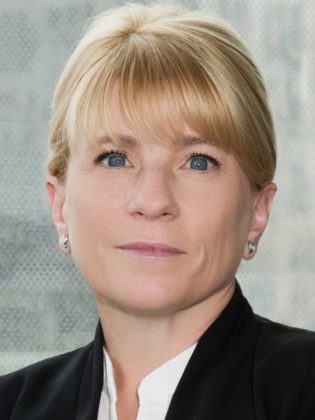
Shana is a world-renowned developer of technologies for diagnostics and therapeutic development. She is the co-founder of four life sciences startups including Arma Biosciences. Her > 250 scholarly publications have been cited > 25,000 time.
Roni Keshet David
Fellow
Technion
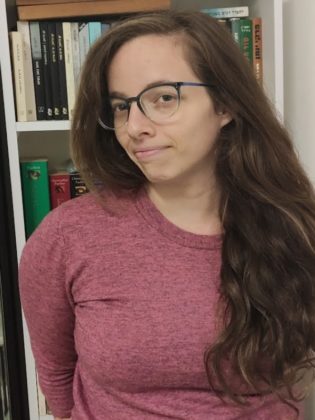
Roni has a practical electronics engineering from the national Handesaim school at the Technion, her final project was creating small gaming console from a processer screen and a mouse. Her bachelor is at biomedical engineering from the Technion, her final project was Vocal Vibes, were we used mechanical sensors as well as microphone and image analysis to assess vocal performances in basic speech therapy exercises, the project won first place at the entrepreneurs’ competition. Her current research is in Naama Geva-Zatorsky lab, studying the effect different nutrition and carbohydrate sources has on the microbiome functionality and how that mediate the changes nutrition has on the immune system.
Rob Knight
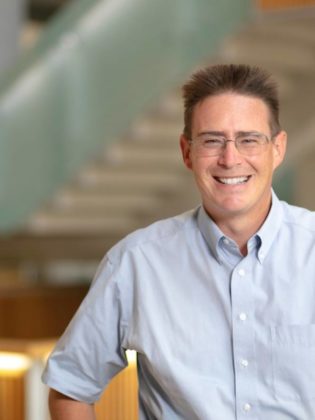
Rob Knight is the founding Director of the Center for Microbiome Innovation and Professor of Pediatrics, Bioengineering, and Computer Science & Engineering at UC San Diego. He is a Fellow of the American Association for the Advancement of Science and received the 2017 Massry Prize. His lab has produced many of the software tools and laboratory techniques that enabled high-throughput microbiome science, including QIIME and UniFrac. His work has linked microbes to a range of health conditions, enhanced our understanding of microbes in many environments, and made high-throughput sequencing accessible to thousands of researchers around the world.
Guido Kroemer
Principal Investigator
IGR
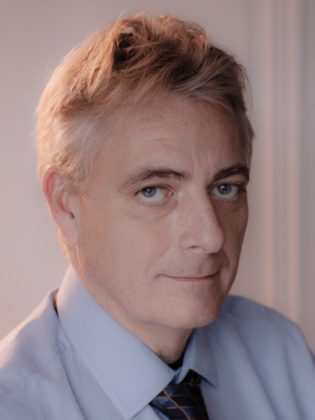
Guido Kroemer is currently Professor at the Faculty of Medicine of the University of Paris, Director of the research team "Metabolism, Cancer and Immunity" of the French Medical Research Council, Director of the Metabolomics and Cell Biology platforms of the Gustave Roussy Cancer Center, and Hospital Practitioner at the Hôpital Européen George Pompidou, Paris, France. Dr. Kroemer’s work focuses on the pathophysiological implications of cell stress and death in the context of aging, cancer and inflammation. He discovered the the cytoprotective and antiaging effects of macroautophagy, as well as the decisive role of immunogenic cell death in anticancer treatments.
Karla Lee
Fellow
KCL
Karla Lee received her medical degree from Trinity College Dublin in 2012 and commenced early medical training in Dublin. In 2016 she completed an MSc at the Royal College of Surgeons, Ireland and moved to London to pursue academic oncology training. She is training as a medical oncologist at The Royal Marsden Hospital in London and has taken time away from this training to pursue a PhD at King’s College London. She is in the final year of her PhD and is working on a thesis investigating the impact of the gut microbiome and a number of other „omics“ on immune checkpoint inhibition for advanced melanoma. Karla hopes to combine academic and clinical work in her future career.
- medicaloncology
- immunotherapy
- microbiome
- melanoma
Julie Malo
Fellow
CHUM / Université de Montréal
Julie Malo is a clinical research nurse and clinical-administrative coordinator in Dr. Bertrand Routy’s laboratory at the Centre de recherche du Centre hospitalier de l’Université de Montréal (CRCHUM). She has worked in clinical research for the past 10 years, following a diverse clinical career in hospitals across Quebec and Ontario, including experience in emergency and frontline care. In her current role, she supports and coordinates clinical research focused on the microbiome and cancer immunotherapy. She is part of the CHUM team that partnered with Segata Lab, Zitvogel/Kroemer and Western University on the phase 2 FMT-LUMINate trial testing fecal microbiota transplantation combined with immune checkpoint inhibitors in melanoma and non-small cell lung cancer (Nat Med, 2026). Her work encompasses clinical trial coordination, patient recruitment, biobank and biospecimen management, research operations, and the implementation of microbiome-focused research within cancer immunotherapy programs.
Noa Mandelbaum
Fellow
Technion
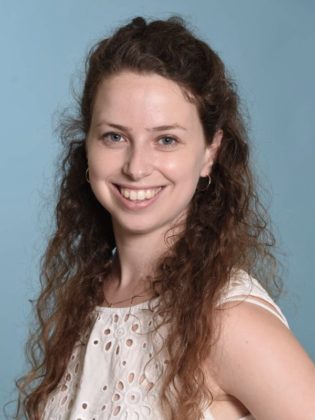
Noa is a PhD student in Namma Geva-Zatorsky’s lab, at the faculty of medicine, Technion, Israel. She received her BSc in Biochemical Engineering from the Chemical Engineering faculty at the Technion. She then started her Master’s degree in the Geva-Zatorsky lab and transitioned to the direct PhD tract. Her research project aims to reveal the environmental effects on the immunomodulatory functionality of gut bacteria . Her study combines microbiology and immunology using in vitro high throughput methods and Germ Free mice models. In the Seerave project she studies the mechanistic link between diet, gut bacterial immunomodulatory functionality and cancer. She does so by defining the effects of different carbon sources on bacterial immunomodulatory functionality in vitro, as well as the effects of diets on gut bacteria immunomodulatory functionality in gnotobiotic mice cancer models.
- Microbiome
- Gut immunology
- GF mice models
- Bacterial metabolites
Isabelle Martins
Fellow
IGR
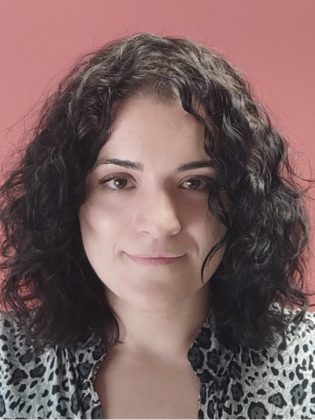
Isabelle MARTINS received her Ph.D. from the University of Paris, France, in 2008. Her thesis focused on the pathological expression of MHC II molecules in melanomas. After her PhD, she joined the Gustave Roussy Institute as a post-doctoral fellow where she started studying the cellular and molecular mechanisms involved in the immunogenicity of cell death after chemotherapy (2008-2013). In 2017, she completed her post-doctoral training investigating the cell death processes involved in the elimination of cancer cells following exposure to ionizing radiation. She is currently a Senior Scientist in the laboratory “Metabolism, Cancer and Immunity” of Pr. Guido Kroemer, where she investigates several aspects of cell death, metabolism and cancer developing technological innovations.
- Cell death
- Metabolism obesity
- Cancer
- Anti-tumour immunity
Daniel McDonald
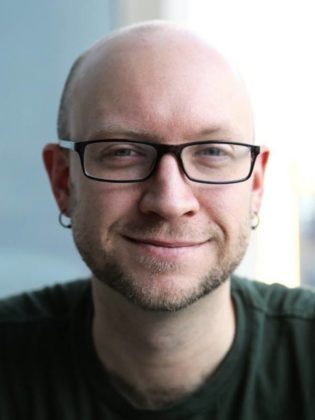
Dr. McDonald is the Scientific Director for The Microsetta Initiative and the American Gut Project, run by the School of Medicine at UC San Diego. His research focuses on the complex microbial communities associated with humans, with the environment, and how to scale microbiome analysis to large sample sizes. He has played central roles in the development of highly cited analysis tools, such as QIIME, Qiita, and PICRUSt, a Genomic Standards Consortium file format called BIOM, and Greengenes, one of the main microbial taxonomies used in the field. Dr. McDonald received a BS and PhD in Computer Science from the University of Colorado at Boulder.
Jennifer Leigh McQuade
Principal Investigator
MD Anderson
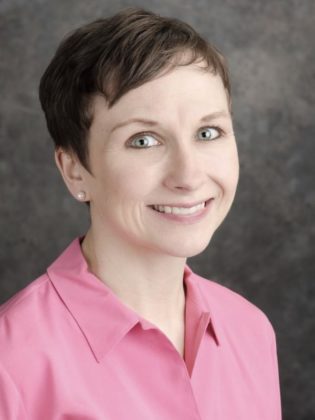
Dr. McQuade is a melanoma medical oncologist and physician-scientist at MD Anderson hosting a translational research program focused on understanding the interaction between host-level factors, tumor biology, immunity and outcomes. She is published in 41 peer-reviewed original research articles and authored or co-authored on 3 dozen other articles, abstracts and editorials. She has presented at conferences across the nation and has been featured in articles from both The New York Times and The Houston Chronicle for her paper in The Lancet Oncology titled Association of body-mass index and outcomes in patients with metastatic melanoma treated with targeted therapy, immunotherapy, or chemotherapy: a retrospective, multicohort analysis.
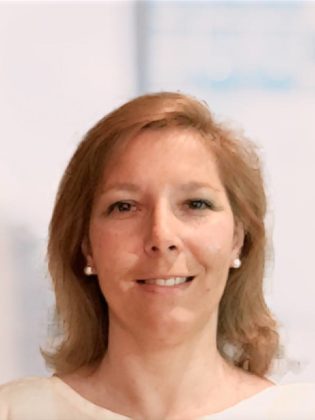
Esmeralda Megally
CEO
Xsensio
Esmeralda is the CEO of Xsensio, a company she co-founded a few years ago. Prior to Xsensio, she had several years of experience as manager at Boston-based investment firm Commons Capital where she was in charge of screening investment opportunities in a partnership with the Bill and Melinda Gates Foundation. She earned her MBA at the Massachusetts Institute of Technology (MIT), a B.S. and M.S. in Economics from ULB, Belgium and an executive degree in management from EPFL.
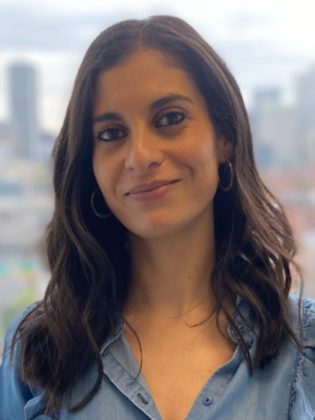
Meriem Messaoudene
Meriem Messaoudene PhD, is a post-doc in Dr. Bertrand Routy’s laboratory “oncomicrobiome” at the CRCHUM (Montréal, Canada). She specialized in the impact of the microbiome on immunotherapy response. After studying basic immunology at the UPMC and Institut Pasteur (Paris), she went on to complete a PhD at the Université Paris-Saclay on the role of NK cells in human metastatic melanoma. She then continued during two years with a postdoctoral fellowship in Pr. Laurence Zitvogel’s lab (Institut Gustave Roussy. She is now focusing on the impact of Castalagin prebiotic on the gut microbiota and immune response to anti-PD-1 therapy.
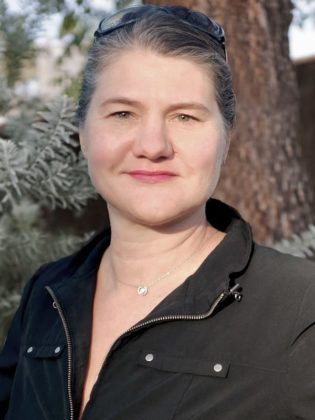
Sandrine Miller-Montgomery
Entrepreneur
Micronoma
Sandrine Miller-Montgomery, Pharm.D., Ph.D. is the Co-Founder, President and CEO of Micronoma, the first cancer-detection company using liquid biopsy technology to detect and predict cancer at an early stage of the disease by analyzing the microbial signal with clinical-grade accuracy. Prior to this, she was executive director of UC San Diego’s Center for Microbiome Innovation that she co-led with Dr. Rob Knight. Before her time in academia, she had worked in large biotech and multinational companies as well as start-ups where she excelled at preparing companies for successful exits as shown by her work at Helixis, acquired by Illumina, and MO BIO Labs acquired by QIAGEN.
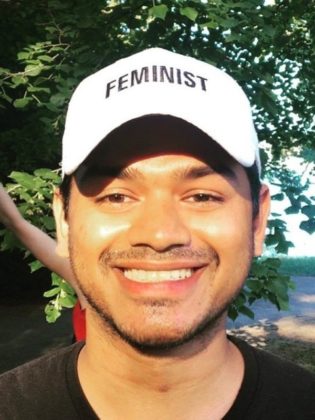

Sharada Mohanty
He is the CEO and Co-founder of AIcrowd, a platform for organising machine learning challenges on a variety of problems in OpenScience using OpenData. The vision is to enable Scientists from multiple domains to crowdsource machine learning expertise; and in the process also facilitate the grooming of machine learning expertise in a coopetitive environment. He was previously working as a PhD student at École polytechnique fédérale de Lausanne (EPFL), Switzerland working on a diversity of problems in Applied Machine Learning from detection of Plant Diseases from images of Plant leaves to teaching musculoskeletal models how to walk using reinforcement learning. Currently Mohanty is involved in the MyFoodRepo project.
Léa Montégut
Fellows
IGR
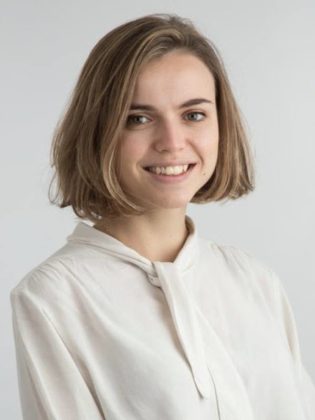
Léa Montégut is a Ph.D. candidate in Pr. Guido Kroemer’s laboratory “Metabolism, cancer and Immunity”. She studied basic mathematics, physics and chemistry before she specialized in biology during her M. Sc. at École Polytechnique (France). She did her Master’s thesis at Columbia University (New York) in Pr. Gerard Ateshian’s Musculoskeletal Biomechanics Laboratory, working on 3D culture of cartilage implants. She then spent two years studying metabolic therapy for optimization of antibody production in Pr. Mario Jolicoeur’s laboratory of applied metabolomics in Polytechnique Montréal. She is now focusing on the role of ACBP, a metabolic factor which increases appetite and shifts lipids metabolism towards fat storage, in cancer development and treatment.
- Appetite regulation
- Metabolism modelling
- Imaging flow cytometry
- Breast cancer models
Shweta Nagre
Fellow
UMC Groningen (UMCG)
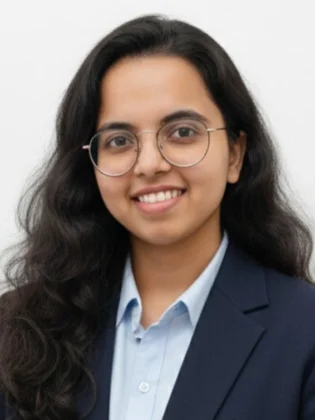
Shweta Nagre is a Seerave Bioinformatics PhD fellow at the University Medical Center Groningen, supervised by Dr. / Professor Rinse Weersma and Dr. / Assistant Professor Johannes Björk. Her research investigates how microbiome-altering drugs influence gut microbiome composition during immunotherapy, and how these changes relate to treatment outcomes in patients with cancer. Originally from India, Shweta holds bachelor's and master's degrees in bioinformatics. She completed her master's thesis at Karolinska Institutet, developing genome-scale metabolic models from transcriptomic data to investigate how microbial exposure, demographics, and lifestyle shape immune system development in children. She then contributed to the GenomeIndia project and later joined the Indian Institute of Technology, Delhi as a Junior Research Fellow, studying bacterial diversity, functional genomics, and pangenomics.
Alessandro Napoli
Fellow
Fondazione Policlinico A. Gemelli IRCCS
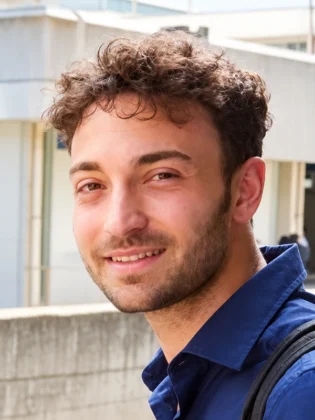
Alessandro Napoli is a bioinformatics researcher with a multidisciplinary background spanning mathematics, computational biology, and molecular biology. He earned his Bachelor’s degree at the University of Rome Tor Vergata in 2014, followed by a Master’s degree in Bioinformatics with honors in 2017 and a PhD in Cellular and Molecular Biology in 2022. During his academic training, he completed research internships at NASA Ames Research Center, working on extremophile genomics and astrobiology, and at the Edmund Mach Foundation, focusing on metagenomics. He later worked at the Mendel Institute in Rome and currently works at Gemelli, where his research focuses on omics and multi-omics data analysis, metagenomics, network biology, and bioinformatics tool development.
Paul Nathan
Principal Investigator
Kings College London
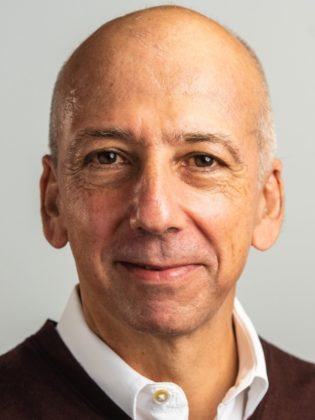
Dr. Nathan is consultant medical oncologist at Mount Vernon Cancer Centre, Northwood, UK. His specialist interests are the treatment of malignant melanoma and renal cell carcinoma. His clinical training was through Cambridge and London having had an earlier scientific career in academia and the pharmaceutical industry. He leads many academic and pharma sponsored clinical trials and has authored many high impact paper. He is a trustee of Melanoma Focus the UK national melanoma charity. He is EORTC Uveal Melanoma lead, International Rare Cancer Initiative (IRCI) UK Uveal melanoma lead and chairs the UK guideline group on Uveal Melanoma.
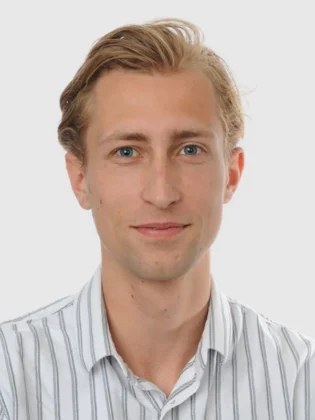
Chiel Nijboer
Fellow
UMC Groningen (UMCG)
Chiel Nijboer, MD, is a PhD candidate in Medical Oncology and Gastroenterology at the University Medical Center Groningen (UMCG) in the Netherlands, a position he took up in 2026. He studied medicine at the University of Groningen, completing clinical rotations at ZGT in Almelo and a research internship in neuro-oncology at Medisch Spectrum Twente in Enschede. Before beginning his doctoral research he worked as a resident not in training at the Martini Hospital in Groningen, first in gastroenterology and hepatology and subsequently in intensive care, following a semi-physician placement in gastroenterology and hepatology at the UMCG.
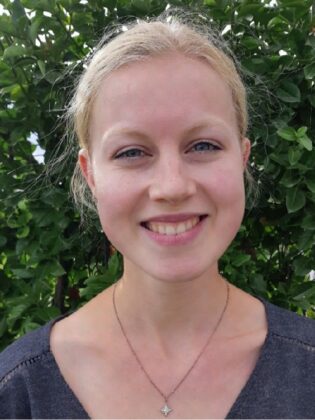
Emily Oosterhout
Fellow
UMCG
I am currently pursuing a PhD at the University Medical Center Groningen (UMCG). In 2023 I graduated my master’s in biomedical sciences at the University of Groningen, where I developed a tool which allows us to study an individual’s intake on a molecular level. I started studying in Groningen in 2016, and in 2020 I gradated as general laboratory technician. Since 2023 I am pursuing a PhD in the group of Prof. Rinse Weersma to further investigate the therapeutic potential of diet and its role for the human gut microbiota.
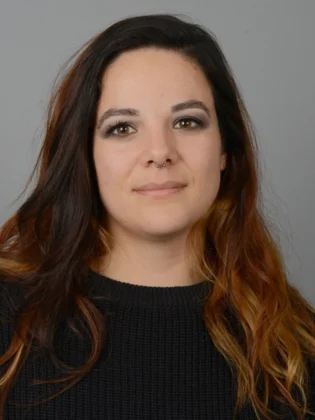
Nolwenn Paris
Fellow
IGR
Nolwenn is Seerave Data Manager and holds a master's degree in bioinformatics from the University of Rennes. She is currently a data manager at Gustave Roussy in Villejuif, where she works with laboratory information management systems and dedicates half of her time to the Clonal Interception program, co-directed by Elsa Bernard, spanning projects across the Computational Clinical Oncology Group. Previously she worked as a bioinformatics engineer at INRAE in Jouy-en-Josas, where she built laboratory automation systems and instrument server infrastructure. She began her research career with a master's placement in computational modeling at CeDRE–IGDR/CNRS in Rennes.
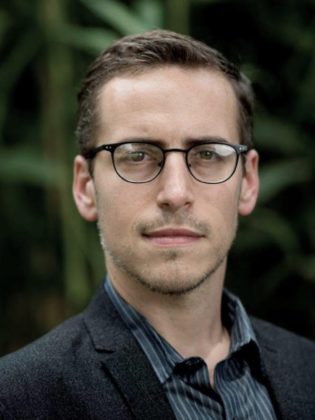
John de La Parra
Periodic Table of Food
Dr. John de la Parra is an ethnobotanist and plant chemist with expertise in food crops and medicinal plants. He is currently the President of the Society for Economic Botany. John is also Manager of the Global Food Portfolio at The Rockefeller Foundation where his work focuses on the management of the Periodic Table of Food Initiative, a global effort to create a public database of the biochemical composition and function of the food we eat using the latest mass spectrometry technologies and bioinformatics. He also holds appointments as an Associate at Harvard University and a Lecturer at Tufts University where his expertise encompasses ethnobotany, food system innovation, agriculture, and medicinal plants. He has held additional appointments as a Research Scientist at MIT and a Lecturer of Biotechnology at Northeastern University.
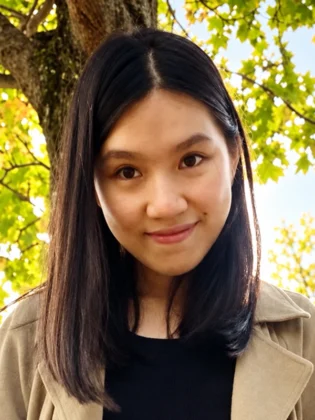
Thao-Nguyen Pham
Fellow
IGR / INSERM
Thao-Nguyen Pham is Seerave Bioinformatics Fellow and a postdoctoral researcher within the Zitvogel Lab focussing on immuno-oncology and microbiome axis at Gustave Roussy and INSERM (UMR1015) in Paris, where her work applies data mining and computational modeling in metagenomics to cancer diagnostics and treatment. She completed her PhD with the CNRS in Caen on bio-mathematical models of inflammation following brain irradiation, followed by postdoctoral research on radiation toxicity modeling at the Centre François Baclesse. She is a co-author on the recent Cancer Cell paper (Mallard de La Varende et al., 2026) showing that subclinical cholestasis is a hallmark of gut dysbiosis driving resistance to cancer immunotherapy.
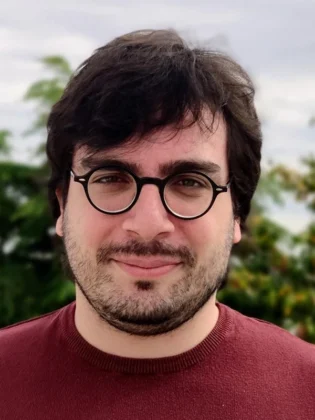
Gianmarco Piccinno
Fellow
University of Trento
Gianmarco Piccinno is a Postdoctoral Fellow in the Laboratory of Computational Metagenomics (PI Nicola Segata) at the CIBIO Department of the University of Trento, Italy. He joined the lab in 2019 and completed his PhD in Biomolecular Sciences at the University of Trento in 2024, where his research focused on the characterization of the cancer microbiome and microbial associations with cancer progression and therapy outcomes. His expertise spans large-scale microbiome analysis, statistical methods, and machine learning approaches applied to microbiome-association studies, with a particular emphasis on integrating shotgun metagenomic data with clinical cohorts to identify microbial biomarkers of cancer response.
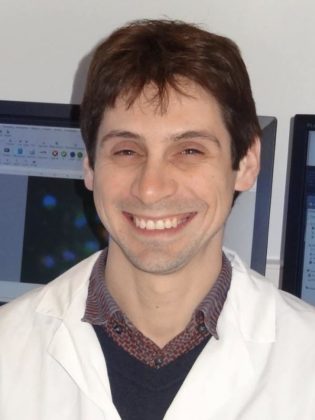
Jonathan Pol
Alumni
IGR
Dr. Jonathan Pol is a permanent researcher at INSERM in Pr. Guido Kroemer’s team (Centre de Recherche des Cordeliers | Institut Gustave Roussy, France), where he leads a group in Immuno-Oncology. He obtained his PhD in Molecular and Medical Virology in 2008 (Paris, France). Then, he joined the teams of Drs. Brian Lichty and Yonghong Wan for 5 years at McMaster University (ON, Canada) to develop oncolytic cancer vaccines. In 2014, he returned to France in Pr. Kroemer’s laboratory to study cancer immunogenic cell death and immunosurveillance, and pursue the development of cancer immunotherapies. In particular, his work has demonstrated that caloric restriction mimetics stimulate cancer immunosurveillance and improve the efficacy of chemo-immunotherapy.
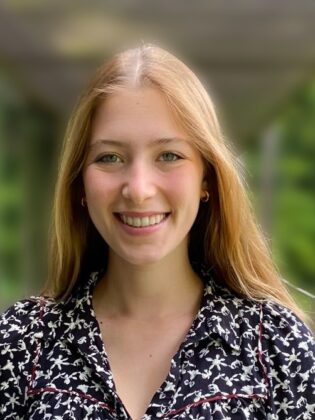
Ella Reich
PhD Student
Gustave Roussy
Ella Reich is a Ph.D. candidate in Pr. Laurence Zitvogel’s ‘Tumour Immunology and Anti-Cancer Immunotherapy’ laboratory. She completed her degree in Biomedical Engineering at Imperial College London (United Kingdom) before pursuing a master’s in Biotechnology at the University of Queensland (Australia). Her master’s thesis, conducted in collaboration with the biotechnology company Microba Life Sciences, focused on the production of key metabolites by their live biotherapeutics candidate for treating inflammatory bowel disease. Passionate about the microbiome and its role in resistance to immunotherapies, she is now researching therapeutic approaches to mitigate the harmful effects of gut dysbiosis in cancer patients.
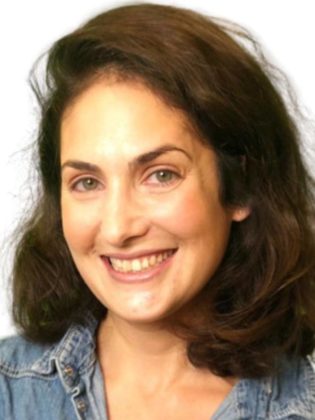
Michal Rein
Fellow
Weizmann Institute
Michal Rein is a registered dietitian, specializing in dietary interventions and modifications. Michal has a master in M.sc from the Ben-gurion university of the Negev and is currently a PhD student under the joint supervision of Prof Eran Segal from Weizmann institute ang Prof Shira Zelber-Sagi from the university of Haifa. As a researcher Michal is studying the effect of algorithm based personalized dietary recommendations tailored by the prediction of glycemic responses on the improvement of metabolic parameters and glycemic balance in various populations including healthy individuals, subjects with glucose intolerance and breast cancer survivors. Additionally, Michal is part of an ongoing developmental team studying the association between personal characteristics, food consumption and the emerging area of deep phenotyping and multi-omic data. Specifically on the influences of individual reaction to glucose and other health indicators. Personally, she chose to focus on nutrition thanks to the role it plays in health promotion and disease prevention and trying to invent tasty and easy recipes for her patients and family.
- Personalized dietary modification based on postprandial targeting diet
- Randomized clinical trial - design and monitoring
- Diabetes management
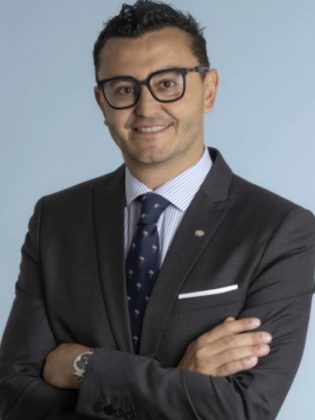
Bertrand Routy
Dr. Bertrand Routy MD, PhD is a young clinician-scientist and associate professor in the department of hemato-oncology at the CHUM (University of Montreal) with clinical expertise in lung cancer. Upon his recruitment to the CRCHUM in 2018 after completing his PhD with Pr. Laurence Zitvogel, Dr. Routy quickly established himself as director of the CRCHUM oncomicrobiome research unit where he began work to develop novel microbiome-based therapeutics in oncology. His work contributed to the discovery of the gut microbiome as a novel prognostic biomarker for immune checkpoint inhibitors (ICI) in various cancers. He characterized the deleterious impact of antibiotic-related gut dysbiosis on ICI outcomes, which led to pivotal changes in clinical oncology practice. Moreover, he demonstrated that modulation of the microbiome by fecal microbiota transplantation, probiotics, and prebiotic supplementation had the potential to circumvent ICI resistance. His team currently leads several microbiota-centered trials in oncology. Dr. Routy is internationally recognized as a leader in the microbiome field with more than 12,000 citations including publications in Science, Nature Medicine and Annals of oncology and h-index of 35. Moreover, his unending commitment to improving immunotherapy responses in cancer patients has led to several awards from prestigious societies including the 2021 Gairdner Foundation award, young investigator of Quebec award and the 2022 Terry Fox Clinician Scientist Award.
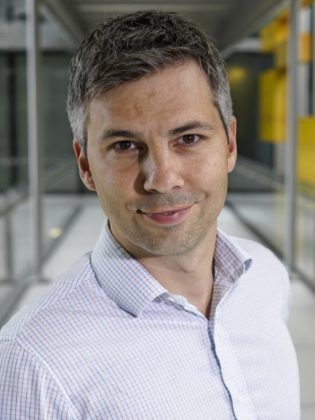

Marcel Salathé
Principal Investigator
EPFL
Marcel Salathé is a digital epidemiologist working at the interface of health and computer science. An associate Professor at EPFL where he heads the Digital Epidemiology Lab, Marcel works at the forefront of artificial intelligence and its application in health and other domains. His lab spun off AIcrowd, an AI challenge platform whose goal is to accelerate research on AI across multiple domains, and which is used by organizations such as OpenAI, Microsoft, Google, Amazon, Stanford University, and many others. Marcel is the founder of the MyFoodRepo platform, an AI-assisted tool to revolutionize food tracking in research cohorts.
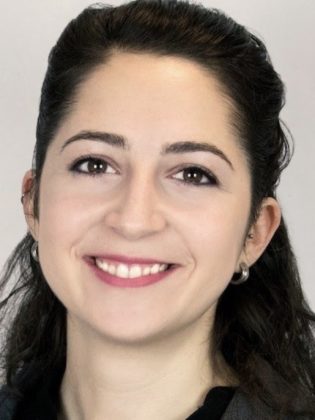
Sarah Schenk
Film Maker
Invisible Extinction
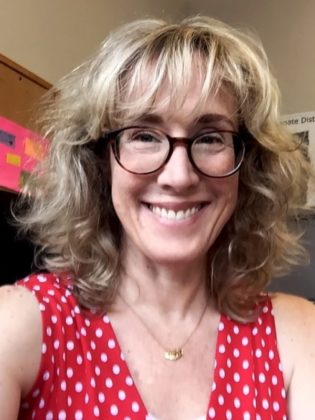
Sarah Schenck is a writer, director, and producer. She uses storytelling to advance public health goals for diverse audiences. Sarah creates shorts for nonprofits and teaches meditation at St. Francis Friends of the Poor. While serving as the NYC Comptroller’s Senior Education Policy Advisor she taught herself filmmaking. Sarah directed, produced, and was the correspondent for Saving Carla, a film on childhood obesity that aired on PBS. She co-founded ParentEarth, dedicated to healthy food for all families. Her films have won awards at festivals worldwide. Sarah’s latest film, The Invisible Extinction, showcases the critical role microbes play in human health.

Niklaus Schneeberger
Collaborator
Helbling
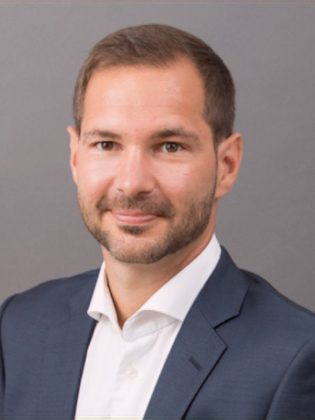
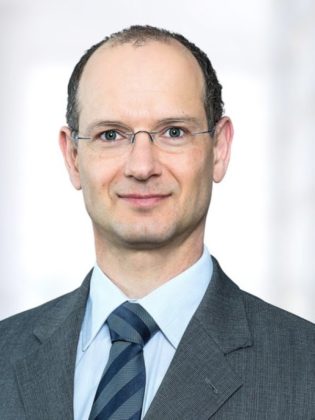
Niklaus Schneeberger leads the business unit Active Implants & Microsystems at Helbling Technik Bern. Helbling Technik supports their clients in the engineering development of innovative products and technologies. Niklaus has earned a PhD in Physics at ETH Zurich developing infrared microsensors in CMOS technology and an MBA in management of technology from EPFL Lausanne. He has over 25 years of experience in technology and product development in the area of highly miniaturized sensors, medical devices and microsystem technology.
Eran Segal
Principal Investigator
Weizmann Institute
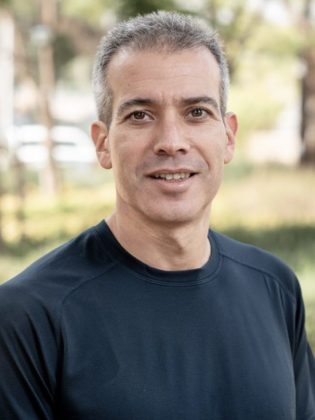
Eran Segal is a Professor at the Department of Computer Science and Applied Mathematics at the Weizmann Institute of Science, heading a lab with a multi-disciplinary team of computational biologists and experimental scientists in the area of Computational and Systems biology. His group has extensive experience in machine learning, computational biology, and analysis of heterogeneous high-throughput genomic data. His research focuses on Microbiome, Nutrition, Genetics, and their effect on health and disease. His aim is to develop personalized medicine based on big data from human cohorts.
Nicola Segata
Collaborator
University of Trento
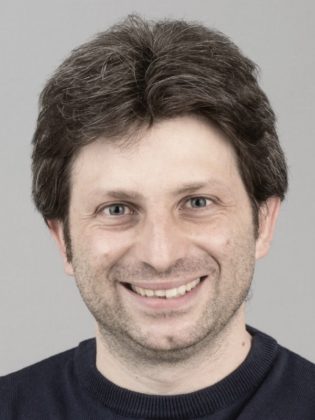
Nicola Segata, Ph.D., is Professor and Principal Investigator in the CIBIO Department at the University of Trento (Italy) and Principal Investigator at the European Institute of Oncology in Milan (Italy). His lab (http://segatalab.cibio.unitn.it/) employs experimental metagenomic tools and novel computational approaches to study the diversity of the microbiome across conditions and populations and its role in human diseases. The projects in the lab bring together computer scientists, microbiologists, statisticians, and clinicians and are generally focused on profiling microbiomes with strain-level resolution and on the meta-analysis of very large sets of metagenomes with novel computational tools.
Gregory Sepich-Poore
CAO
Micronoma
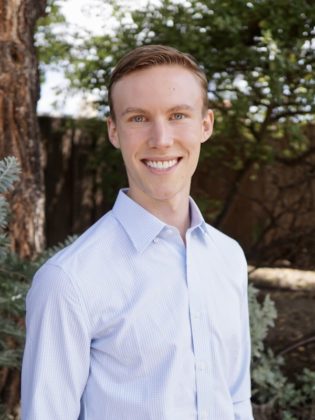
As the CAO, he uses his expertise in microbiome science and machine learning methodologies to guide the company’s strategy for translating copious amounts of cell-free microbiome data into patient diagnoses. At only age 28, Micronoma is Greg’s third corporation and was strongly inspired by the unexpected stage IV diagnosis and tragic sudden loss of his grandmother to pancreatic cancer while attending college.
Tim Spector
Principal Investigator
KCL
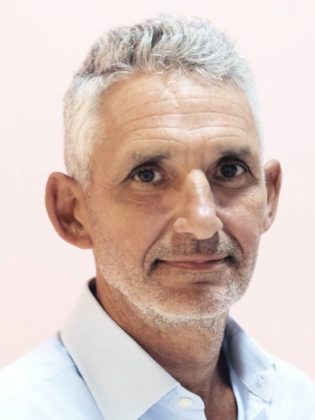
Tim Spector is a medically qualified Professor of Epidemiology and Director of the TwinsUK registry at King’s College London. His current work focuses on the microbiome and nutrition, and he is co-founder of the data science company ZOE Ltd which has commercialised a home kit for personalised nutrition . He also the lead researcher behind the world's biggest citizen science health project - the ZOE Covid study of over 4 million people for which he was awarded an OBE. Having published more than 900 research articles, he is ranked in the top 100 of the world’s most cited scientists by Google. He is the author of four popular science books, including "The Diet Myth” and the most recent "Spoon Fed" which is a Sunday Times bestseller. He makes regular appearances on social and mainstream media.
Dominik Steiger
Collaborator
EvalueScience
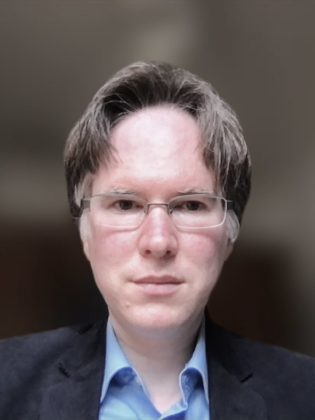
Dominik Steiger is Chief Executive Officer at EvalueScience Ltd, a consulting company specialized in advice, research, and conceptualization in the fields of biomedicine, health, and digital health. His work focusses on idea development and project management at the interfaces of research, policy, and regulation. He is coauthor of the Microbiota Vault Feasibility Study. As Secretary of the Microbiota Vault, he coordinates the launch of the initiative.
Sandra Sulser
Innovation Manager
Swiss Food Research
Sandra is a PhD-level microbiologist who was previously awarded a spin-off grant as well as the "Prix Isabelle Musy" for women entrepreneurs to launch a startup aiming at standardising fecal microbiome transplantation. Sandra supported the founding process of Seerave Foundation and served as a Senior Scientific Project Manager for 5 years. She now transitioned to Swiss Food Research as Innovation Manager.
Andrew Thomas
Fellow Collaborator
University of Trento
Andrew obtained his bachelor’s in Biology from Mackenzie University and was an intern at the Institute of Psychiatry investigating genetic polymorphisms associated with Alzheimer’s and Parkinson’s disease. For his Master’s in Oncology dissertation, obtained from AC Camargo Cancer Centre, he investigated the effects of alcohol and tobacco consumption on the oral microbiota. He obtained his PhD in Bioinformatics from the University of Sao Paulo. During his academic training, he has worked on several projects that included: "Studies of microbial diversity in the Zoological Park of the State of São Paulo (University of Sao Paulo)”, "Effects of short-chain fatty acids produced by probiotic bacteria in the prophylaxis and treatment of allergic airway inflammation” (Federal University of Sao Paulo) and “Identifying reproducible gut microbial signatures to detect colorectal cancer” (University of Trento). Currently, he is part of the Horizon 2020 funded project ”Gut OncoMicrobiome Signatures (GOMS) associated with cancer incidence, prognosis and prediction of treatment response”, where he supports project partners with computational analyses of gut microbiomes from several different cancer types. His current role in Seerave is to help in the analysis of the gut microbiome and response to immunotherapy in the PRIMM cohorts (King’s College London, University of Groningen and University of Trento).

Joseph Tintelnot
Senior Physician
Universitätsklinikum Hamburg-Eppendorf
Dr. Tintelnot studied human medicine in Hamburg and London. He conducted his experimental medical thesis in immunology and completed his clinical training in internal medicine, hematology, and oncology, maintaining a strong research focus on immunotherapy. He received laboratory training in tumor immune escape mechanisms, microbiota–immune interactions, and cancer biology. Clinically, he specializes in gastrointestinal oncology, immunotherapy, and innovative combinatorial treatment approaches. He directs IITs that integrate clinical and laboratory research to understand why immunotherapy efficacy differs among patients. He is particularly interested in how the microbiota and its metabolites influence treatment responses, and how these interactions can be modulated through diet. He conducts his own IITs exploring these mechanisms, with the overarching goal of harnessing the power of the immune system to improve patient outcomes. He is currently a senior physician and research group leader at the II. Medical Department of the University Medical Center Hamburg-Eppendorf and the Hamburg Center for Translational Immunology.
Joshua Tran
Fellow
University of California San Diego
Joshua (he/him) graduated from UC San Diego (California) with a B.S. in Human Biology in 2023. As an undergraduate, Joshua’s research interest broadly involved studying the interactions between the gut microbiome and cancer development under Dr. Jack Gilbert (Scripps Institute of Oceanography/UCSD Department of Pediatrics) and Dr. Georgia Sadler (UCSD Moores Cancer Center). Now, as an M.S. biology student in the Gilbert lab, Joshua is thrilled to learn more about the microbial interactions in and around the body and their role in health but specifically, cancer. His current research aims to understand how dietary interventions impact inflammation and microbiome structure post-colonoscopy for elevated colorectal cancer risk patients.

Marthe Verhaert
PhD Fellow
FWO
Marthe is a medical oncologist pursuing a PhD focused on the management and prevention of immune-related adverse events (irAEs) in patients treated with cancer immunotherapy. Her research aims to improve the safety and tolerability of immune checkpoint blockade through better risk stratification and preventive strategies. She co-chairs the Multidisciplinary Immunotoxicity Board (BITOX), a national forum dedicated to the discussion of complex and severe irAEs, bringing together oncology and organ-specific expertise to support challenging clinical decisions. Marthe is also actively involved in clinical research and is running the FORX trial, which investigates whether a diverse, fiber-rich diet can reduce the incidence of irAEs in patients receiving immunotherapy.
Thomas Vogl
Fellow
Weizmann Institute
Thomas Vogl obtained a PhD in Molecular Biomedical Sciences in Austria. He was a visiting scientist at the Queensland University of Technology in Brisbane focusing on genomics. After working in the R&D department of Sandoz (Novartis) on biopharmaceutical production, he moved as a senior postdoc to the Weizmann Institute of Science (group of Prof. Eran Segal). Working on the interface between basic and applied research, Thomas is aiming to unravel interactions of the immune system with the microbiome. As a Seerave Fellow, Thomas is involved in profiling immune responses of cancer patients as well as developing novel COVID-19 diagnostics. Leveraging high throughput antibody repertoire profiling methodologies, they have created a novel high precision diagnostic for the detection of coronavirus (CoV) antibodies. This approach has for the first time revealed extensive cross-reactivity with animal CoVs, suggesting a novel diagnostic strategy for detecting future spillovers to humans.
- Immunomics
- Microbiota-immune axis
- Machine learning
Pascale Vonäsch
Collaborator
University of Lausanne
Pascale Vonaesch, MSc, MPH, PhD is an Assistant Professor at the University of Lausanne and a Principal Investigator within the NCCR Microbiomes. She was trained as a Microbiologist at the ETH in Zürich and the Ecole Normale Supérieure in Paris and subsequently performed her PhD thesis at the Institut of Microbiology at the ETH in Zürich, Switzerland on host-pathogen interactions and a postdoctoral research stay at the Institut Pasteur, Paris, France, where she initiated and led the Afribiota project, a translational research project aimed at eludicating the pathophysiology underlying stunted child growth. She then joined the Swiss Tropical and Public Health Institute for two years as a senior postdoc/ junior group leader to continue her work on undernutrition before moving with her group to the University of Lausanne. Her lab focuses on fundamental and translational/clinical research on the human intestinal ecosystem and the contribution of the microbiota to health and disease. In her research, she is especially interested in the role of the intestinal microbiome in childhood malnutrition and in the development of microbiota-targeted interventions.
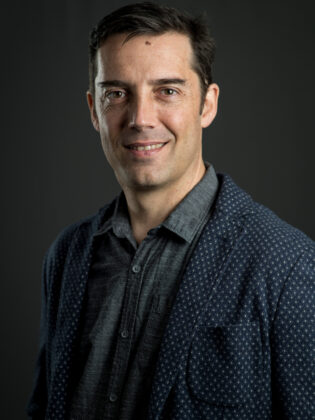

Levi Waldron
Professor Waldron received a BSc in physics from the University of British Columbia, an MSc in physics from the University of Waterloo, and a PhD in wood science from the University of Toronto. He developed his interest in biostatistics and public health during post-docs at the Ontario Cancer Institute, Dana-Farber Cancer Institute, and the Harvard School of Public Health, before joining the faculty at CUNY. Important recent projects include BugSigDB: A Comprehensive Database of Microbial Signatures, and the Microbiome Virtual International Forum.
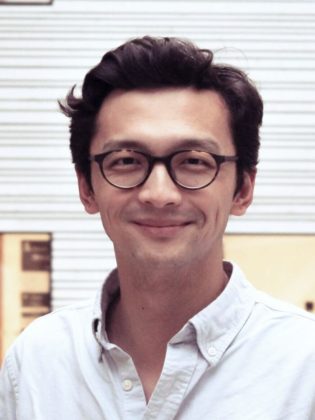
Ruizhi Wang
Entrepreneur
HexagonFab
Ruizhi Wang is the Founder of HexagonFab is a start-up company based in Cambridge UK, The mission of HexagonFab is to create instruments that enable scientists to understand how proteins behave and what their properties are, faster, more accurately and more easily than ever before. During his PhD in Engineering at the University of Cambridge, Ruizhi worked on the scalable production of nanomaterials and processes to integrate these into devices such as sensors. The methods that he developed made it possible to create a new generation of nanomaterial-based sensors at industrially relevant scale.
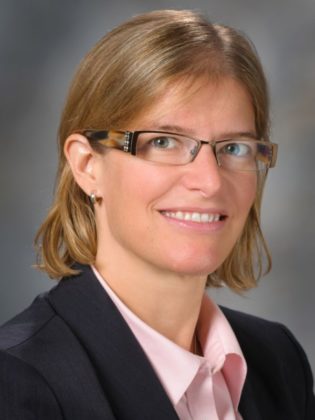
Jennifer Wargo
Principal Investigator
MD Anderson
Dr. Jennifer Wargo is a professor, Department of Genomic Medicine, Division of Cancer Medicine, and professor, Department of Surgical Oncology, Division of Surgery, at The University of Texas MD Anderson Cancer Center. With a joint appointment in Surgical Oncology and Genomic Medicine, Professor Wargo leads critical research to better understand responses to therapy and to develop novel strategies to combat resistance. This includes her groundbreaking recent work elucidating the role of the gut microbiome in shaping responses to immunotherapy in patients with melanoma—with a manuscript describing this work published in Science and a clinical trial underway exploring optimal methods to manipulate the gut microbiome to enhance responses to cancer therapy. She is recognized internationally as a leader in cancer research and is leading innovative efforts globally.
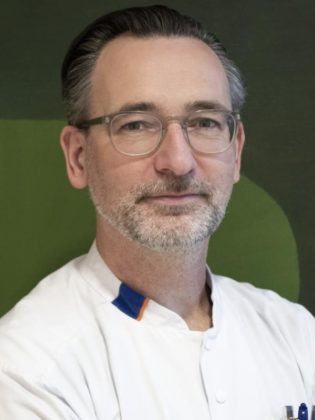
Rinse Weersma
Principal Investigator
UMCG
Prof. R.K. Weersma is a gastroenterologist and head of the Department of Gastroenterology and Hepatology in the University Medical Center Groningen in the Netherlands. His research and clinical work focuses on chronic immune mediated diseases of the gastrointestinal tract. He has been working on the role of host genetics in diseases susceptibility and aims to understand how the identified genomic variants lead to diseases and their influence on disease behaviour. The emphasis lies on integrating "multi-omics" data with high resolution clinical data by making use of both population based and disease specific biobanks. In recent years he has been working on the role of the gut microbiome in both health and disease. He is one of the leaders of the Dutch Microbiome Project and cofounded the Groningen Microbiome Center.
Daniel Woolf
Chief Data Officer
Cancer Platform
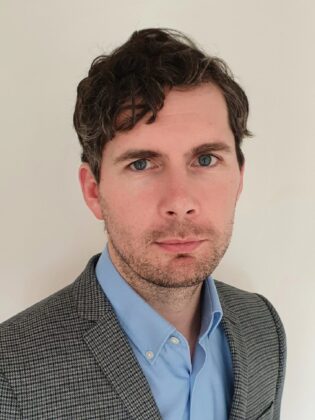
Daniel is the Chief Data Officer of Cancer Awareness Trust, the organisation responsible for Cancer Platform and Evamore Music. With over 20 years of experience leading technology and data teams across the UK health sector, Daniel has delivered innovative applications, platforms, and services for patients and healthcare professionals. Recognised with awards for his work in artificial intelligence, big data, and automation, Daniel also holds a Bachelor's degree in Computer Science from University College London and a Master's in Digital Health Leadership from Imperial College London. He is deeply passionate about harnessing technology for the greater good.
Hanie Yousefi
Assay Development Lead & Co-Founder
Arma Biosciences
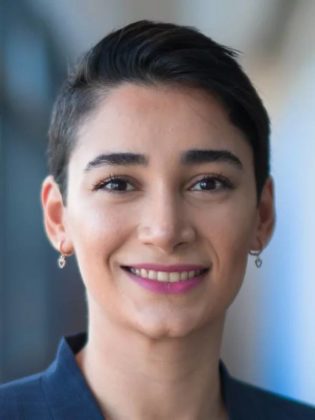
Hanie is a biotech innovator and the co-founder of Arma Biosciences with experience in development of biomedical devices. Focused on combination of surface chemistry, electrochemistry and molecular biology during the past seven years, Hanie has developed multiple patented sensing technologies for food safety, and disease monitoring.
Laurence Zitvogel
Principal Investigator
IGR
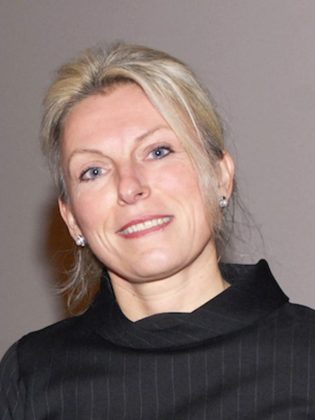
Prof. L. Zitvogel, MD (Clinical Oncology), PhD (Tumor Immunology), full professor at the University Paris Saclay, graduated in Medical Oncology in 1992. Scientific career first at the University of Pittsburgh, US. Became Research Director at Institut National de la Santé et Recherche Médicale U1015, and Scientific Director of the Clinicobiome program at Gustave Roussy, the largest cancer Center in Europe in 1998. Actively contributed to the field of cancer immunology and immunotherapy. Pionner of the concepts of immunogenic cell death and gut microbiota in cancer immunosurveillance and therapies. Recipient of many awards: French National Academy of Medicine, Translation Research INSERM Prize, the ASCO-SITC, Brupbacher Awards 2017, ESMO Immuno-Oncology Award 2017, Baillet Latour Prize 2019 and the Griffuel Prize 2019.