Reducing Antibiotic Use at a Pediatric Oncology Center: Q+A
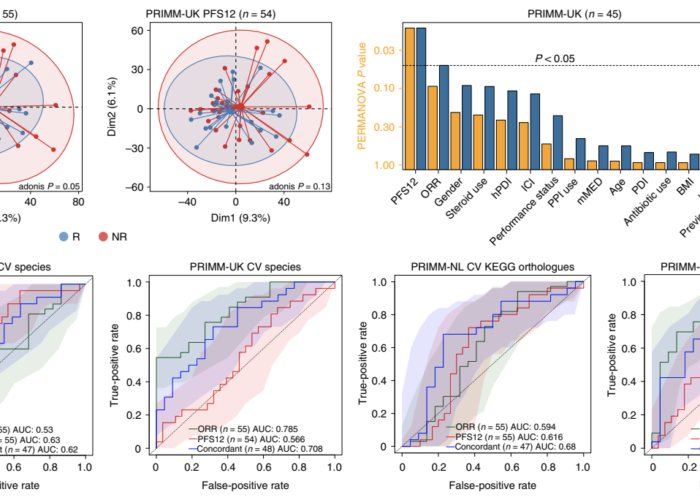
 On the heels of our network’s publication in Cancer Cell this month on the negative association between antibiotics and immunotherapy outcomes, we have been learning about practical applications of antibiotic stewardship in oncology settings.
For World Antimicrobial Awareness Week, we spoke with Dr. Alexandra Satty, a pediatric hematologist-oncologist who co-led a quality improvement initiative at Memorial Sloan Kettering Cancer Center that reduced empiric antibiotic use in low-risk pediatric oncology patients from 97% to under 10%, without compromising patient outcomes.
In the Q&A, Dr. Satty reflects on how the team answered concerns from senior clinicians, why many providers were “almost asking for this intervention,” and whether the approach can scale beyond a single institution.
The initiative focused on children with cancer who had a central line and developed a fever without neutropenia. These patients are at higher-than-normal risk of serious bacterial infection, yet there are no specific guidelines for managing them, not even a standardized definition of fever. The default therapeutic course had been blood cultures and IV antibiotics for nearly everyone, even though a retrospective chart review showed that serious bacterial infection was rare and most positive cultures were gram-positive organisms the antibiotic didn’t cover.
Working with oncology attendings and infectious disease colleagues, the team built an algorithm to identify low-risk patients, trained physicians, advanced practice providers and nurses, and followed patients closely for two years. Empiric antibiotic use fell to under 10% in the first year, far beyond the team’s 50% target, while bacteremia and complication rates stayed below their predefined safety threshold.
Continue Reading