
10 Years of Impact

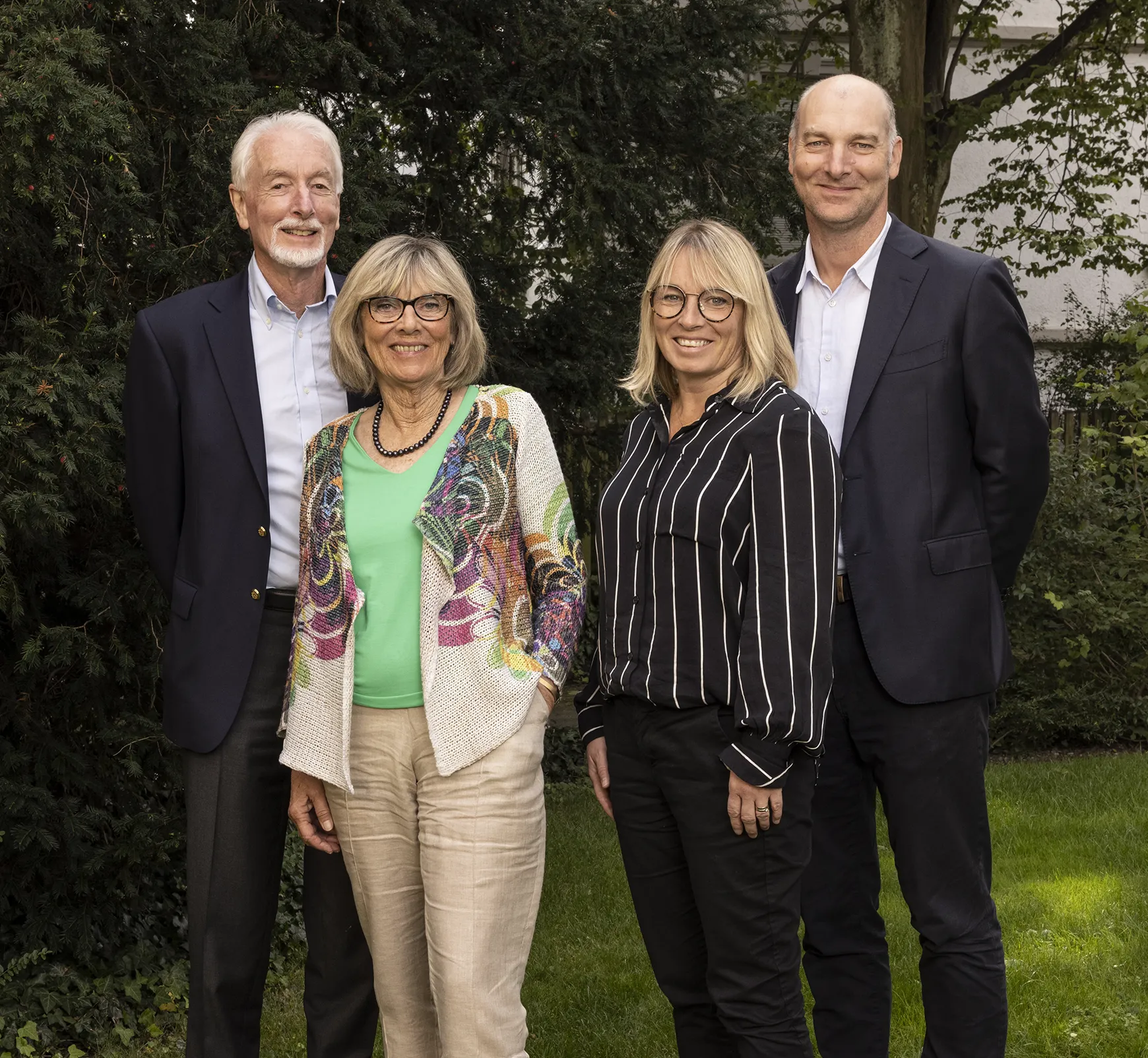
David, Eva, Elisabeth and Chris Rees standing in a garden
From left: David, Eva, Elisabeth and Chris Rees
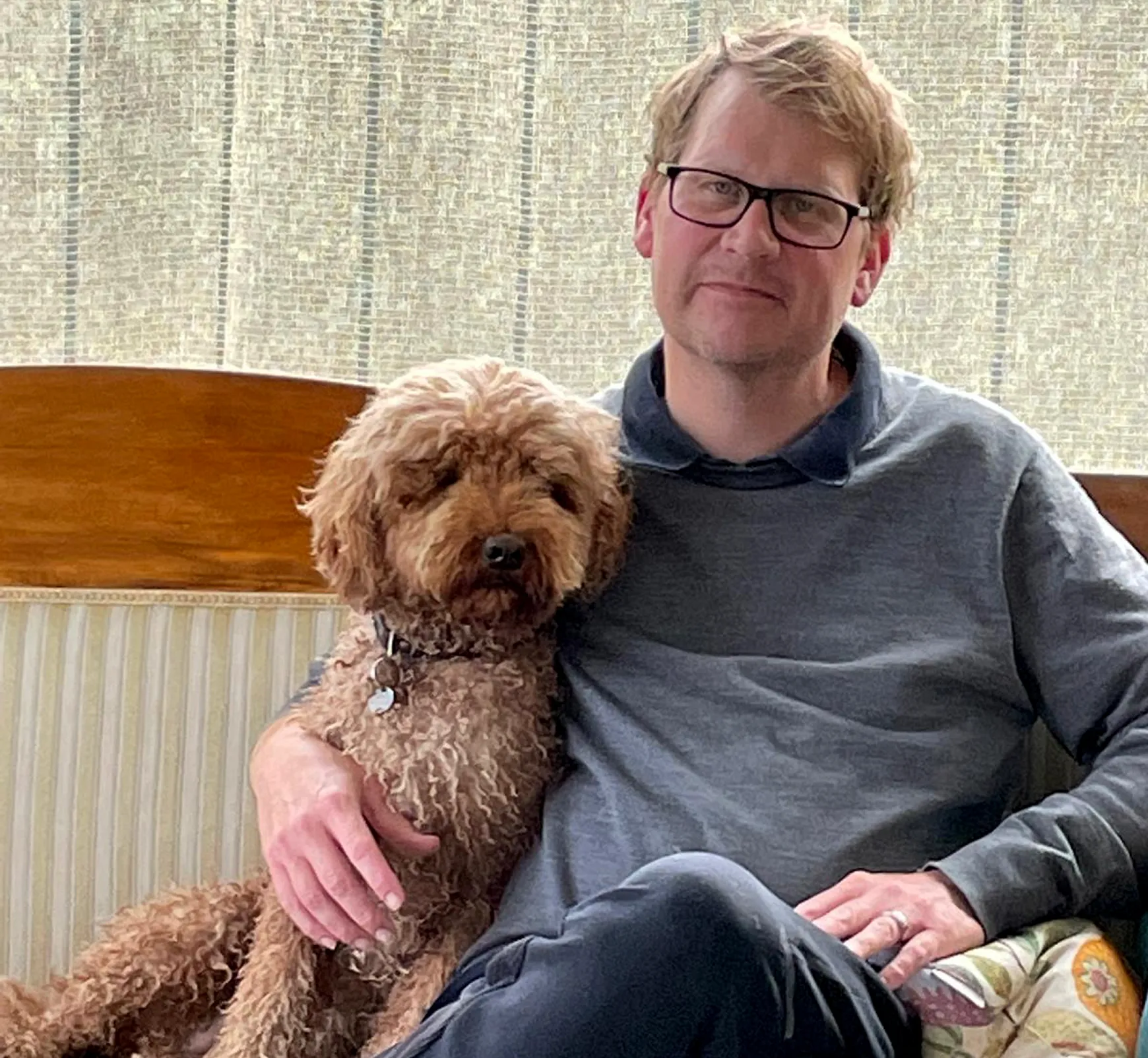
Jonas Karlsson sitting on a sofa with his dog Ziggy
Jonas Karlsson (and Ziggy)
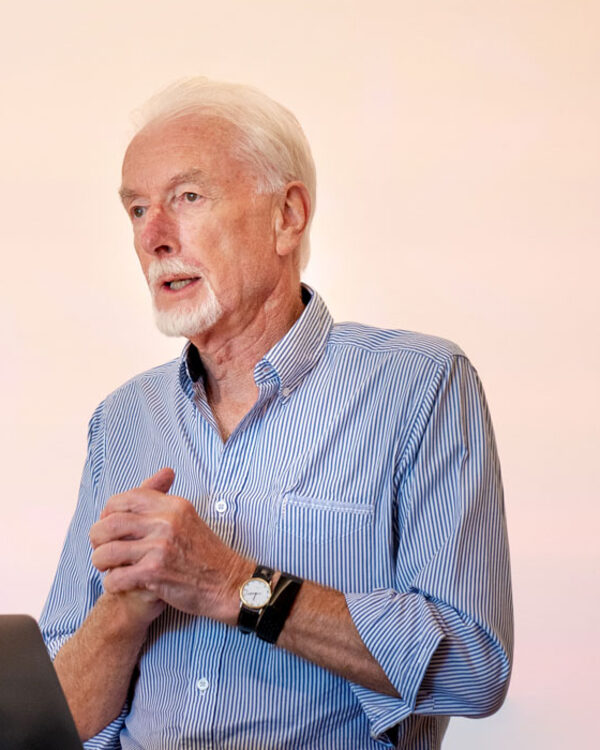
Listen to David

As a retired oil trader, I want to tell you why I care about the microbiome and cancer, and why I founded Seerave a decade ago.

In 2006, my wife, Eva Rees, had a small melanoma lesion removed from her shoulder. We considered it insignificant and forgot all about it, but seven years later, in late 2013, she was found to have a large tumour in her lung. It transpired that this was Stage 4 metastatic melanoma, which meant that the cancer cells were circulating throughout her system. This was before the advent of immunotherapy, and because she had an unusual mutation, there was no targeted treatment. She was simply told to go home with the oncologist’s words that there was nothing more we could do for you. Her prognosis was 10 to 12 months. So, at the ripe age of 70, I decided very quickly to retire from the oil company I co-founded and start trying to figure out what I could do to help keep my wife alive.

Around this time, the burgeoning science of the microbiome was making its presence felt, and I became convinced that the nutrition-microbiome-immunity-cancer axis was one we should pursue. But how?

With the shares of my company as an endowment, I set up Seerave. Serendipity then kicked in. I met two wonderful researchers, a microbiologist and a tumour immunologist, persuaded them to join Seerave, and this then provided us with a scientific backbone and made Seerave what it is today. I subsequently met pioneering and inspirational oncologists who gave us their scientific backing and whose research we started to support.

Returning to the family, my wife survived six years after her surgery until a relapse in 2020, when seven tumours were found in her upper body. Around the same time, my son-in-law, Jonas, was diagnosed with kidney cancer. Both these cancers were then treatable with revolutionary immunotherapy drugs, which harnessed the patient’s own immune system to fight the disease.

However, one of the biggest questions we have yet to answer is why do only some 40% of patients respond to this treatment? My wife responded strongly. Jonas tragically did not, and he passed away at the young age of 47. This galvanised us to focus on what we could do in the immediate term to help people in the same situation.

Throughout this period, compelling evidence was mounting that much of the answer lies with the myriads of organisms that live in our gut that comprise our microbiome, and their effect on the immune system. And yet, very little of this new research had penetrated mainstream oncology practice.

How might the microbiome influence cancer and immunotherapy?

First, a reminder: we evolved from microbes, amongst microbes, and in the world of their making

MicrobesAll other life

If life’s 3.8 billion years were a single day, humans would arrive in the last 7 seconds

We Live in a World of Microbes

They are intrinsic to our existence, and to our biology as any organ

As Copernicus did when he shifted our perspective to a heliocentric model of the universe, this insight invites us to reconsider a human-centred model of biology to one that revolves around microbes

There are 100x more microbial genes than human genes in your body, and we rely on them to perform functions that are not encoded in our own DNA

  • Extract energy and nutritional value from our food
  • Defend against diseases
  • Steer the development of our organs
  • Train and influence our immune system, balancing pro-inflammatory and anti-inflammatory states
  • Influence our nervous system and mood
  • And more
  • P. Syringae seeds ice Microbes trigger rain and snow
  • Microbes ferment our food including bread, cheese, yogurt, kimchi
  • 100x more microbial genes than human genes in your body
  • Nitrogen fixers feed all of life Only microbes could fix nitrogen before 1913
  • Cyanobacteria produce O2 Microbes generate half of Earth’s oxygen today

Disruptions to our microbiome have been linked to diseases “of modernity”

  • Anxiety / Depression
  • Autism Spectrum Disorder
  • Allergies
  • Cancer
  • Cardiovascular Disease
  • COPD & Asthma
  • Obesity & Diabetes
  • Liver Diseases
  • Antibiotic-Resistant Infection
  • Inflammatory Bowel Disease
  • Atopic Dermatitis
  • Rheumatoid Arthritis
Microbiome Cancer
Seerave Foundation

Seerave’s purpose is to
improve outcomes and enhance quality of life for every patient by integrating the microbiome and its role in immune system performance into comprehensive cancer care

Our Thesis

At the frontier of oncology, clinicians are using patients’ own immune systems to treat cancer.

We believe that these immunotherapies hold great promise, and that the microbiome is key to realising the full potential of the immune system to cure disease.

Did You Know?

Patients who took antibiotics prior to immunotherapy had roughly half the chance of surviving beyond two years

0 20 40 60 80 100 0 24 Survival rate (%) Time (months) Group 1 (without Antibiotics) Group 2 (with Antibiotics)

About this chart

Simplified illustrative representation of the fundamental findings presented in Derosa et al. Ann Oncol. 2018 (observational study of 370 renal and lung cancer patients undergoing immunotherapy).

Further evidence summarised in recent meta-analyses. Our Seerave network scientists produced both these efforts:

  • Elkrief et al. NPJ Precis Oncol. 2024 (meta-analysis of >46,000 lung cancer patients undergoing immuno- or chemo-immunotherapy)
  • Porcari, Bolte et al. Cancer Cell 2026 (meta-analysis of 116 cohorts and 97,850 patients across a variety of cancer types and immunotherapy types)

Our network’s insights on how the microbiome influences cancer outcomes

Perturbed microbiome can undermine patient outcomes

nature › nature medicine › articles › article

Article | Open access | Published: 28 February 2022

› NPJ Precis Oncol. 2024 Jul 16;8(1):143. doi: 10.1038/s41698-024-00630-w.

Review › Cancer Cell. 2026 Nov 9;44(11):2132-2153. doi: 10.1016/j.ccell.2026.09.012. Epub 2026 Oct 27.

Restoring the microbiome can improve patient outcomes

› Science. 2018 Jan 5;359(6371):91-97. doi: 10.1126/science.aan3706. Epub 2017 Nov 2.

Multicenter Study › JAMA Oncol. 2023 May 1;9(5):705-709. doi: 10.1001/jamaoncol.2022.7753.

▸ Cancer Discov. 2022 Apr 1;12(4):1070-1087. doi: 10.1158/2159-8290.CD-21-0808

Nat Med. 2022 Mar;28(3):535-544. doi: 10.1038/s41591-022-01695-5.

Cross-cohort gut microbiome associations with immune checkpoint inhibitor response in advanced melanoma

Abstract

The composition of the gut microbiome has been associated with clinical responses to immune checkpoint inhibitor (ICI) treatment, but there is limited consensus on the specific microbiome characteristics linked to the clinical benefits of ICIs. We performed shotgun metagenomic sequencing of stool samples collected before ICI initiation from five observational cohorts recruiting ICI-naive patients with advanced cutaneous melanoma (n = 165). Integrating the dataset with 147 metagenomic samples from previously published studies, we found that the gut microbiome has a relevant, but cohort-dependent, association with the response to ICIs. A machine learning analysis confirmed the link between the microbiome and overall response rates (ORRs) and progression-free survival (PFS) with ICIs but also revealed limited reproducibility of microbiome-based signatures across cohorts. Accordingly, a panel of species, including Bifidobacterium pseudocatenulatum, Roseburia spp. and Akkermansia muciniphila, associated with responders was identified, but no single species could be regarded as a fully consistent biomarker across studies. Overall, the role of the human gut microbiome in ICI response appears more complex than previously thought, extending beyond differing microbial species simply present or absent in responders and nonresponders. Future studies should adopt larger sample sizes and take into account the complex interplay of clinical factors with the gut microbiome over the treatment course.

Read the full text (opens in a new tab)

NPJ Precis Oncol. 2024 Jul 16;8(1):143. doi: 10.1038/s41698-024-00630-w.

Antibiotics are associated with worse outcomes in lung cancer patients treated with chemotherapy and immunotherapy

Abstract

Anti-PD(L)-1 inhibition combined with platinum doublet chemotherapy (Chemo-IO) has become the most frequently used standard of care regimen in patients with non-small cell lung cancer (NSCLC). The negative impact of antibiotics on clinical outcomes prior to anti-PD(L)-1 inhibition monotherapy (IO) has been demonstrated in multiple studies, but the impact of antibiotic exposure prior to initiation of Chemo-IO is controversial. We assessed antibiotic exposures at two time windows: within 60 days prior to therapy (-60 d window) and within 60 days prior to therapy and 42 days after therapy (-60 + 42d window) in 2028 patients with advanced NSCLC treated with Chemo-IO and IO monotherapy focusing on objective response rate (ORR: rate of partial response and complete response), progression-free survival (PFS), and overall survival (OS). We also assessed impact of antibiotic exposure in an independent cohort of 53 patients. Univariable and multivariable analyses were conducted along with a meta-analysis from similar studies. For the -60 d window, in the Chemo-IO group (N = 769), 183 (24%) patients received antibiotics. Antibiotic exposure was associated with worse ORR (27% vs 40%, p = 0.001), shorter PFS (3.9 months vs. 5.9 months, hazard ratio [HR] 1.35, 95%CI 1.1,1.6, p = 0.0012), as well as shorter OS (10 months vs. 15 months, HR 1.50, 95%CI 1.2,1.8, p = 0.00014). After adjusting for known prognostic factors in NSCLC, antibiotic exposure was independently associated with worse PFS (HR 1.39, 95%CI 1.35,1.7, p = 0.002) and OS (HR 1.61, 95%CI 1.28,2.03, p < 0.001). Similar results were obtained in the -60 + 42d window, and also in an independent cohort. In a meta-analysis of patients with NSCLC treated with Chemo-IO (N = 4) or IO monotherapy (N = 13 studies) antibiotic exposure before treatment was associated with worse OS among all patients (n = 11,351) (HR 1.93, 95% CI 1.52, 2.45) and Chemo-IO-treated patients (n = 1201) (HR 1.54, 95% CI 1.28, 1.84). Thus, antibiotics exposure prior to Chemo-IO is common and associated with worse outcomes, even after adjusting for other factors. These results highlight the need to implement antibiotic stewardship in routine oncology practice.

Read the full text (opens in a new tab)

Cancer Cell. 2026 Nov 9;44(11):2132-2153. doi: 10.1016/j.ccell.2026.09.012. Epub 2026 Oct 27.

Antibiotics and outcomes of cancer immunotherapy: An updated meta-analysis and clinical applications

Abstract

The gut microbiome is a modifiable determinant of response to immune checkpoint inhibitors (ICI), positioning antibiotic exposure as a critical yet under-recognized risk factor for worse survival outcomes in immuno-oncology. As nearly 30% of ICI-treated patients receive antibiotics and indications of cancer immunotherapy are expanding, this issue represents a global challenge in oncology. Here, we paint an updated and comprehensive landscape of antibiotic exposure in immuno-oncology, provide actionable clinical recommendations, and envision future avenues for improvement. First, we describe the biological mechanisms by which antibiotic-induced dysbiosis contributes to ICI resistance. Next, through an updated meta-analysis of 116 cohorts and 97,850 cancer patients treated with ICI, we found a significant association between antibiotic exposure and survival outcomes (overall survival, hazard ratio [HR]: 1.49, 95% confidence interval [CI]: 1.34-1.65; progression-free survival, HR: 1.44, 95% CI: 1.31-1.58). Finally, we discuss antibiotics stewardship and microbiome-centered strategies to prevent, diagnose, and/or repair dysbiosis.

Read the full text (opens in a new tab)

Science. 2018 Jan 5;359(6371):91-97. doi: 10.1126/science.aan3706. Epub 2017 Nov 2.

Gut microbiome influences efficacy of PD-1–based immunotherapy against epithelial tumors

Abstract

Immune checkpoint inhibitors (ICIs) targeting the PD-1/PD-L1 axis induce sustained clinical responses in a sizable minority of cancer patients. We found that primary resistance to ICIs can be attributed to abnormal gut microbiome composition. Antibiotics inhibited the clinical benefit of ICIs in patients with advanced cancer. Fecal microbiota transplantation (FMT) from cancer patients who responded to ICIs into germ-free or antibiotic-treated mice ameliorated the antitumor effects of PD-1 blockade, whereas FMT from nonresponding patients failed to do so. Metagenomics of patient stool samples at diagnosis revealed correlations between clinical responses to ICIs and the relative abundance of Akkermansia muciniphila. Oral supplementation with A. muciniphila after FMT with nonresponder feces restored the efficacy of PD-1 blockade in an interleukin-12-dependent manner by increasing the recruitment of CCR9+CXCR3+CD4+ T lymphocytes into mouse tumor beds.

Read the full text (opens in a new tab)

JAMA Oncol. 2023 May 1;9(5):705-709. doi: 10.1001/jamaoncol.2022.7753.

Association of a Mediterranean Diet With Outcomes for Patients Treated With Immune Checkpoint Blockade for Advanced Melanoma

Abstract

Importance. Immune checkpoint blockade (ICB) has improved the survival of patients with advanced melanoma. Durable responses are observed for 40% to 60% of patients, depending on treatment regimens. However, there is still large variability in the response to treatment with ICB, and patients experience a range of immune-related adverse events of differing severity. Nutrition, through its association with the immune system and gut microbiome, is a poorly explored but appealing target with potential to improve the efficacy and tolerability of ICB.

Objective. To investigate the association between habitual diet and response to treatment with ICB.

Design, Setting, and Participants. This multicenter cohort study (the PRIMM study) was conducted in cancer centers in the Netherlands and UK and included 91 ICB-naive patients with advanced melanoma who were receiving ICB between 2018 and 2021.

Exposures. Patients were treated with anti-programmed cell death 1 and anti-cytotoxic T lymphocyte-associated antigen 4 monotherapy or combination therapy. Dietary intake was assessed through food frequency questionnaires before treatment.

Main Outcomes and Measures. Clinical end points were defined as overall response rate (ORR), progression-free survival at 12 months (PFS-12), and immune-related adverse events that were grade 2 or higher.

Results. There were a total of 44 Dutch participants (mean [SD] age, 59.43 [12.74] years; 22 women [50%]) and 47 British participants (mean [SD] age, 66.21 [16.63] years; 15 women [32%]). Dietary and clinical data were prospectively collected from 91 patients receiving ICB between 2018 and 2021 for advanced melanoma in the UK and the Netherlands. Logistic generalized additive models revealed positive linear associations between a Mediterranean dietary pattern that was high in whole grains, fish, nuts, fruit, and vegetables and the probability of ORR and PFS-12 (probability of 0.77 for ORR; P = .02; false discovery rate, 0.032; effective degrees of freedom, 0.83; probability of 0.74 for PFS-12; P = .01; false discovery rate, 0.021; effective degrees of freedom, 1.54).

Conclusions and Relevance. This cohort study found a positive association between a Mediterranean diet, a widely recommended model of healthy eating, and response to treatment with ICB. Large prospective studies from different geographies are needed to confirm the findings and further elucidate the role of diet in the context of ICB.

Read the full text (opens in a new tab)

Cancer Discov. 2022 Apr 1;12(4):1070-1087. doi: 10.1158/2159-8290.CD-21-0808.

A Natural Polyphenol Exerts Antitumor Activity and Circumvents Anti–PD-1 Resistance through Effects on the Gut Microbiota

Abstract

Several approaches to manipulate the gut microbiome for improving the activity of cancer immune-checkpoint inhibitors (ICI) are currently under evaluation. Here, we show that oral supplementation with the polyphenol-rich berry camu-camu (CC; Myrciaria dubia) in mice shifted gut microbial composition, which translated into antitumor activity and a stronger anti-PD-1 response. We identified castalagin, an ellagitannin, as the active compound in CC. Oral administration of castalagin enriched for bacteria associated with efficient immunotherapeutic responses (Ruminococcaceae and Alistipes) and improved the CD8+/FOXP3+CD4+ ratio within the tumor microenvironment. Moreover, castalagin induced metabolic changes, resulting in an increase in taurine-conjugated bile acids. Oral supplementation of castalagin following fecal microbiota transplantation from ICI-refractory patients into mice supported anti-PD-1 activity. Finally, we found that castalagin binds to Ruminococcus bromii and promoted an anticancer response. Altogether, our results identify castalagin as a polyphenol that acts as a prebiotic to circumvent anti-PD-1 resistance.

Significance. The polyphenol castalagin isolated from a berry has an antitumor effect through direct interactions with commensal bacteria, thus reprogramming the tumor microenvironment. In addition, in preclinical ICI-resistant models, castalagin reestablishes the efficacy of anti-PD-1. Together, these results provide a strong biological rationale to test castalagin as part of a clinical trial.

Read the full text (opens in a new tab)

Our First Ten Years

Working to build the “oncobiome” field

We funded groundbreaking science

0Publications acknowledging Seerave since 2018
0Cited 7.5× the field average – nearly 9 in 10 above their field
0Inventions citing the work – 1 in 5 papers cited in patents
0Online mentions – 4 in 5 papers discussed beyond journals
0Guidance and policy documents – first steps into clinical guidance

We convened experts across silos

0

Large meetings, intimate gatherings, peer mentoring, working groups, retreats of experts across disparate fields and geographies
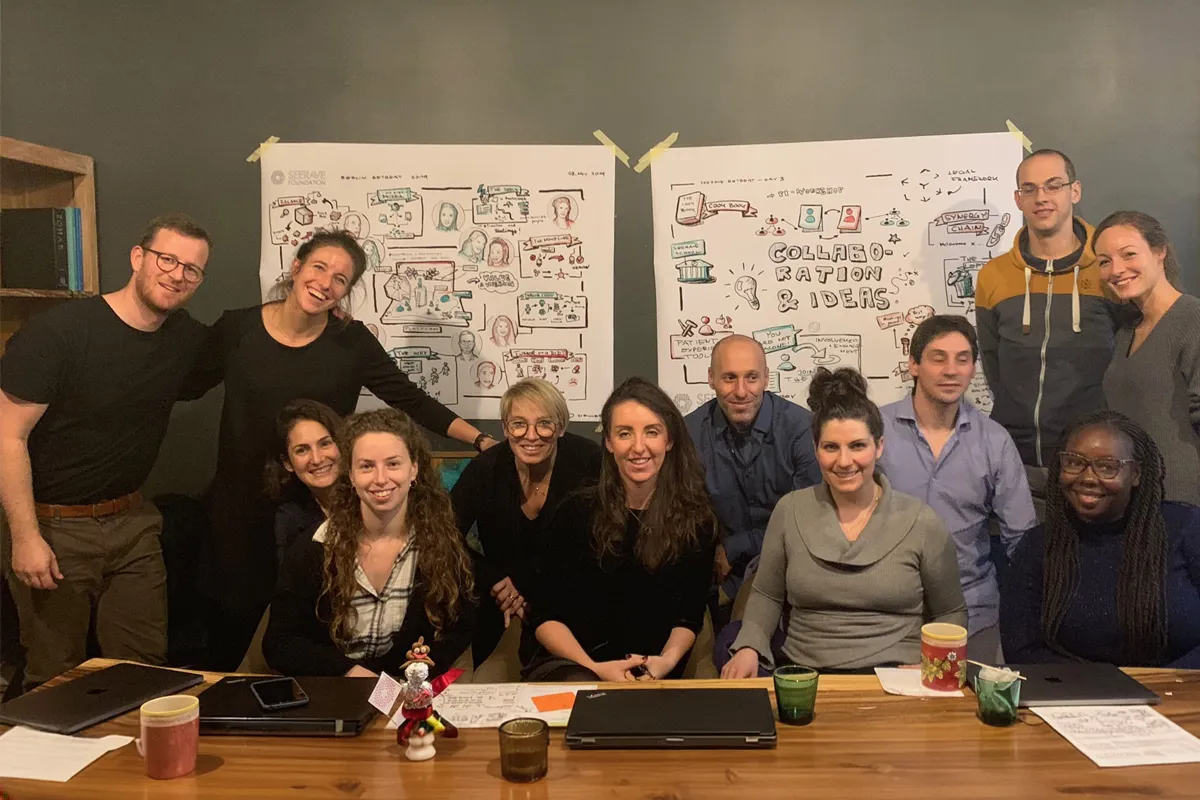
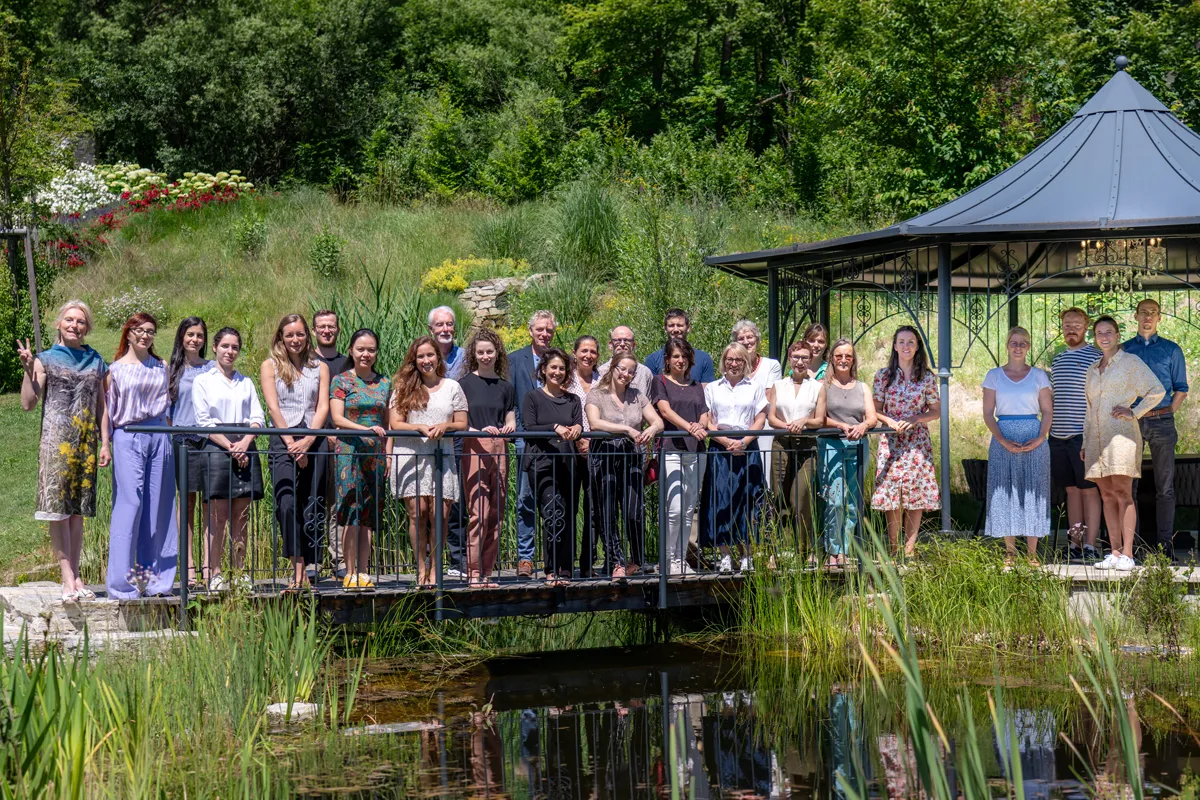
Seerave fellows gathered for a group photo at the Berlin retreat in 2019
Seerave fellows around a table with sketch boards at the Vienna retreat in 2022
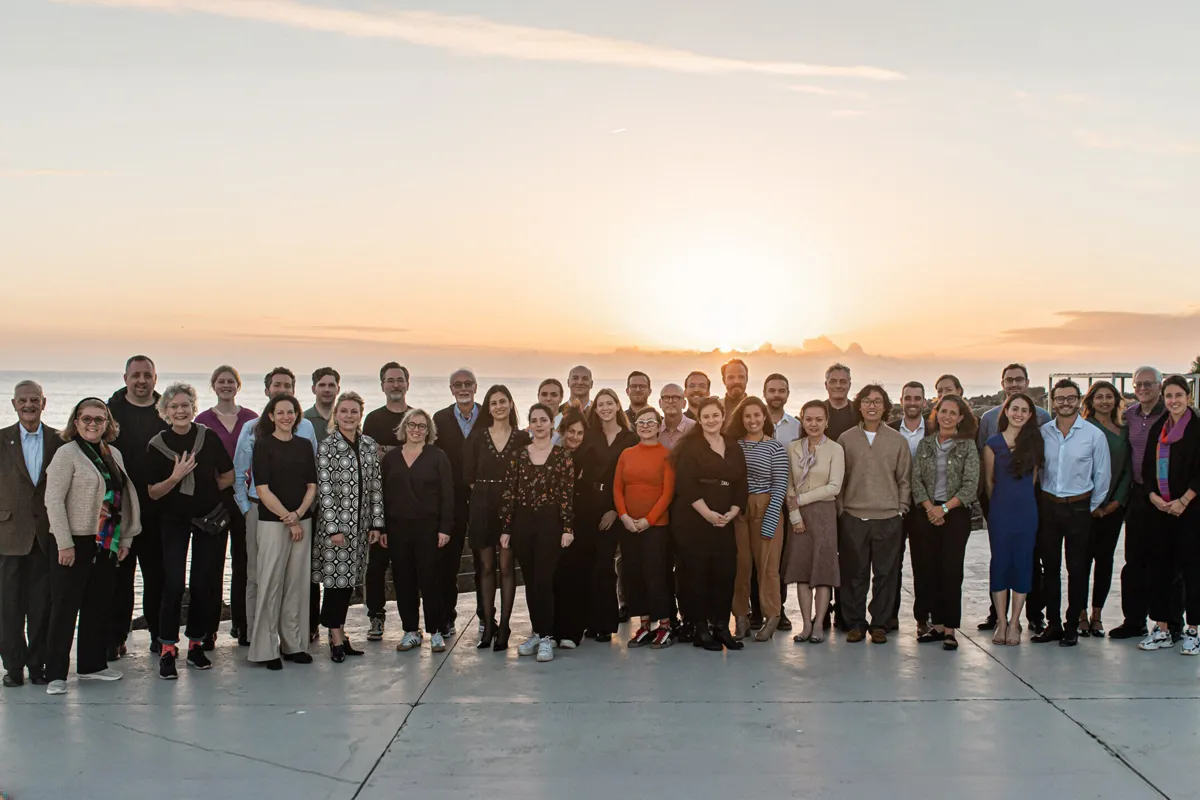
Seerave fellows standing by the sea at sunset at the Portugal retreat in 2024
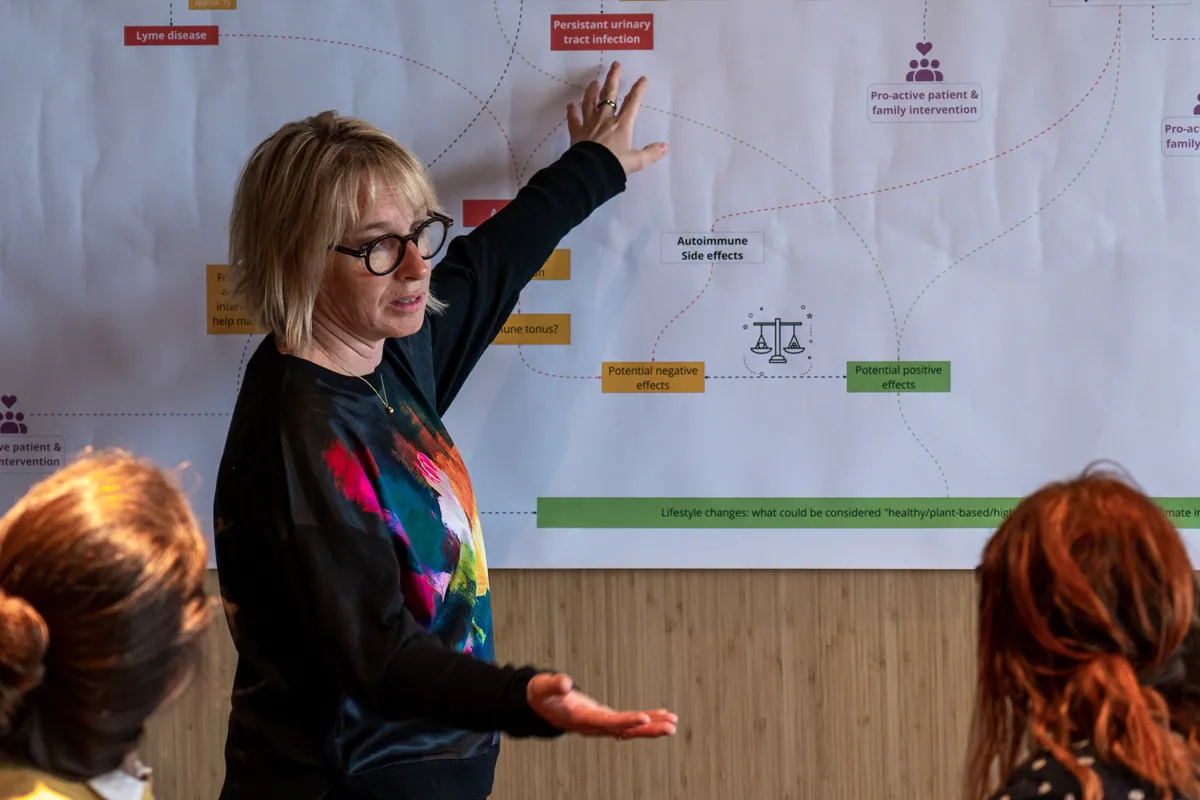
Elisabeth Rees pointing at a board while leading a Seerave discussion

Fellows Retreat, Berlin 2019

Milestone Moments

Reflections from the people who shaped this progress

Select a story to read it and hear from the people who lived it.Swipe through the years, tap a story to read it.

Strategic Goal

We are shifting focus from delivering insights
to transforming outcomes

Today

Data

Inform stronger and more practicable advice for doctors about the microbiome and cancer.

Next few years

Practice

Update best practice on antibiotic use and other microbiome modifiers in a cancer setting.

Future

Tools

Develop new tools to protect and restore the microbiome
Protect the Microbiome

  • Probiotic bioengineered to degrade antibiotics after they perform their therapeutic function, before they reach the gut microbiome
  • Would allow patients to use antibiotics without compromising their gut microbiome
  • Harvard Wyss Institute spinout (Collins Lab)
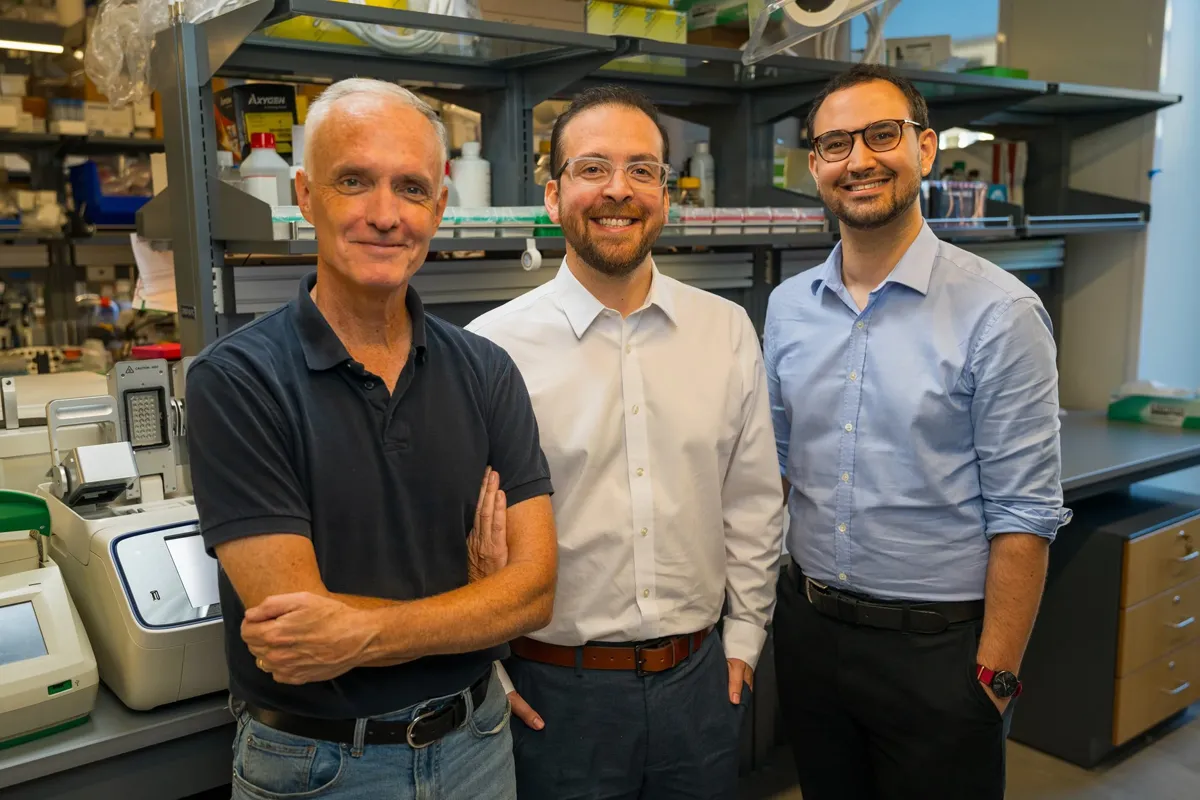
The Florey Biosciences founders in their lab

Restore the Microbiome

NewCo.

  • Probiotic with a consortium of bacterial strains that together restore key metabolic functions of the microbiome after it has been perturbed
  • All existing probiotics only restore a fraction of functionality

Our Partners

Weizmann Institute of Science Gustave Roussy King’s College London Florey Biosciences The University of Texas MD Anderson Cancer Center The Microbiome Virtual International Forum (MVIF) Rutgers, The State University of New Jersey University of California San Diego (UC San Diego) University Medical Center Groningen (UMCG) Centre de recherche du Centre hospitalier de l’Université de Montréal (CRCHUM) Periodic Table of Food Initiative Xsensio ARMA Biosciences BiomeSense Abselion The Deep Immunity Project Hôpitaux Universitaires de Genève (HUG) The Microbiota Vault The Invisible Extinction Technion, Israel Institute of Technology École Polytechnique Fédérale de Lausanne (EPFL) University Psychiatric Clinics Basel (UPK) Fondazione Policlinico Universitario Agostino Gemelli IRCCS Università degli Studi di Trento
Share this WhatsApp Email